

Table of Contents
Indian Media and its Dark Reality: The media stands as a cornerstone of democracy worldwide, playing a pivotal role in informing citizens, fostering debate, and holding power accountable. However, in the context of India, the significance of its media landscape falls significantly short of this ideal.
Fortunately, the standard of media in India was not as it is now before our independence. Back then, Mahatma Gandhi during his periods of imprisonment leveraged newspapers as a powerful medium to communicate his ideals. This highlights the vital role of media as the fourth pillar of democracy. If the modern media landscape had existed during Gandhi’s era, it might have been vulnerable to British influence, potentially perpetuating misconceptions about the benefits of the East India Company.
Challenges in Media Integrity and Public Perception
Out of 180 countries, the Indian media ranks 157th globally. Surprisingly, even nations like Afghanistan, plagued by severe law and order issues, surpass India in media ranking.
In the unfolding of events, journalists shoulder the crucial responsibility of presenting facts impartially, abstaining from injecting personal opinions. Their duty is to lay out all information for the public to independently assess, empowering individuals to formulate their own beliefs, understandings, and interpretations.
Consequently, the challenge lies in the interpretation of these incidents, which molds public perceptions and influences policies. Journalists, as the conduits of this information, wield considerable influence. Therefore, it is imperative for them to exercise careful deliberation and speak thoughtfully, recognizing the profound impact their words can have on shaping public discourse and policy decisions.
You can now subscribe to our Ponder Page WhatsApp channel

The Illusion of Voter Autonomy: Media Influence on Political Choices
In fact, the role of media in shaping the formation of government is significant. There exists a prevailing illusion that when individuals enter the voting booth, they are exercising their free will to support their preferred party or candidate based on their knowledge and information. However, what if that knowledge or information is flawed?
Upon reflection, one may come to realize that their vote is often cast under the influence of carefully orchestrated strategies. Despite this, there persists a perception of autonomy, leading individuals to believe they have made independent choices at the ballot box.

Media Prioritization: The Need for Comprehensive Coverage and Genuine Journalism
It’s evident that the debates hosted by our media houses predominantly revolve around topics such as Pakistan, political affairs, and opposition dynamics. Unfortunately, crucial issues like unemployment and national security often receive scant attention or are sidelined altogether.
This imbalance in media coverage raises concerns about the prioritization of topics and the lack of comprehensive discussion on matters of significant national importance. It’s imperative for media platforms to broaden their focus and engage in meaningful debates that address a diverse range of pressing issues affecting society. By doing so, they can fulfill their responsibility of providing well-rounded and informative discourse to the public.
Genuine journalism demands relentless effort. It entails crafting detailed reports and conducting ground-level investigations. However, instead of embracing this rigorous approach, some anchors are veering towards theatricality.
In essence, they are becoming more akin to actors than journalists, prioritizing performance over substance. These individuals often lack depth of knowledge, yet excel in dramatic presentation.
Their debates frequently feature a select few individuals chosen for their propensity to shout and generate controversy. This trend undermines the essence of true journalism, which should be rooted in informed discussion and substantive analysis.
-
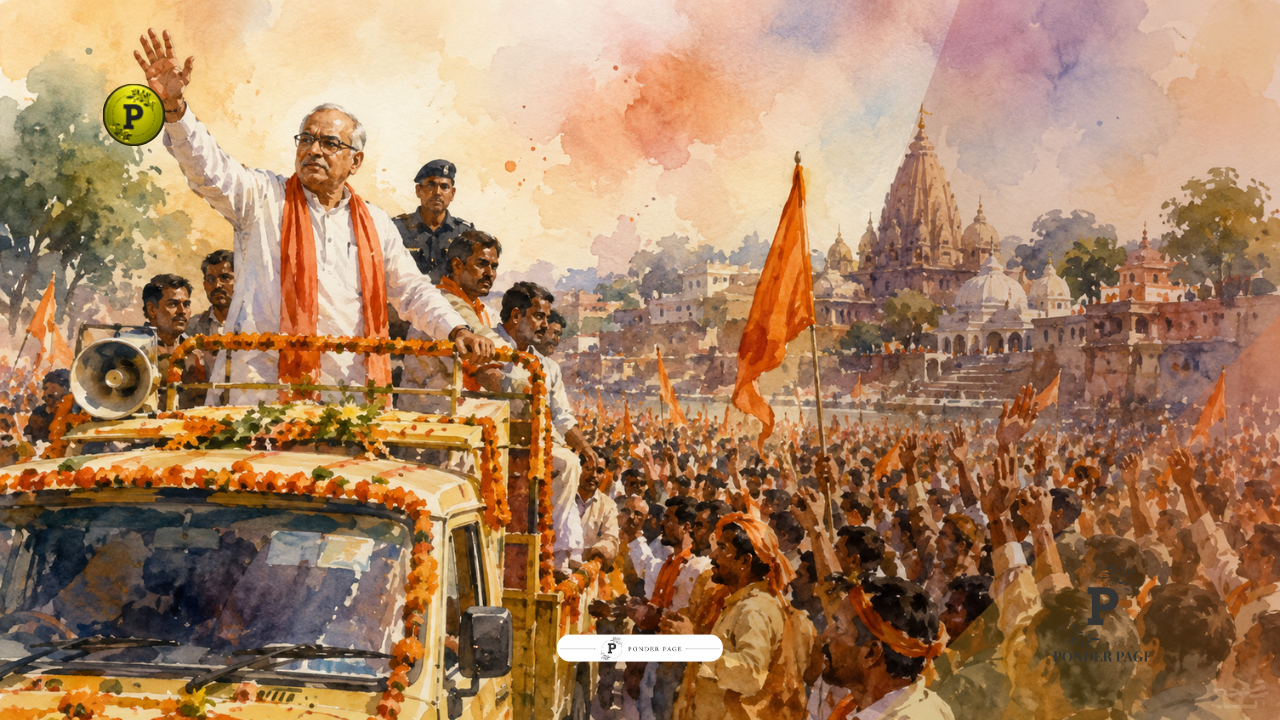
 The Rath Yatra of 1990: Advani, Ayodhya and the Turning Point in Indian Politics
 -
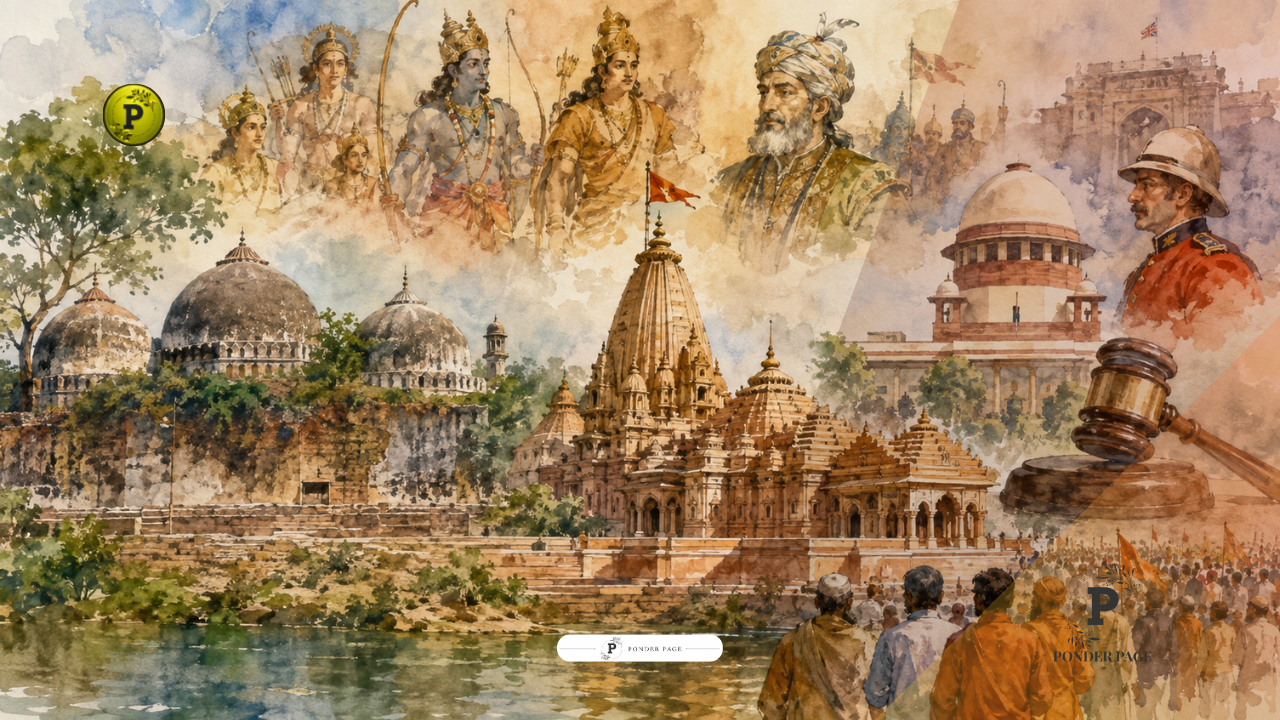
 The Ram Janmabhoomi Dispute: The Long History Behind India’s Most Contentious Land Dispute
 -
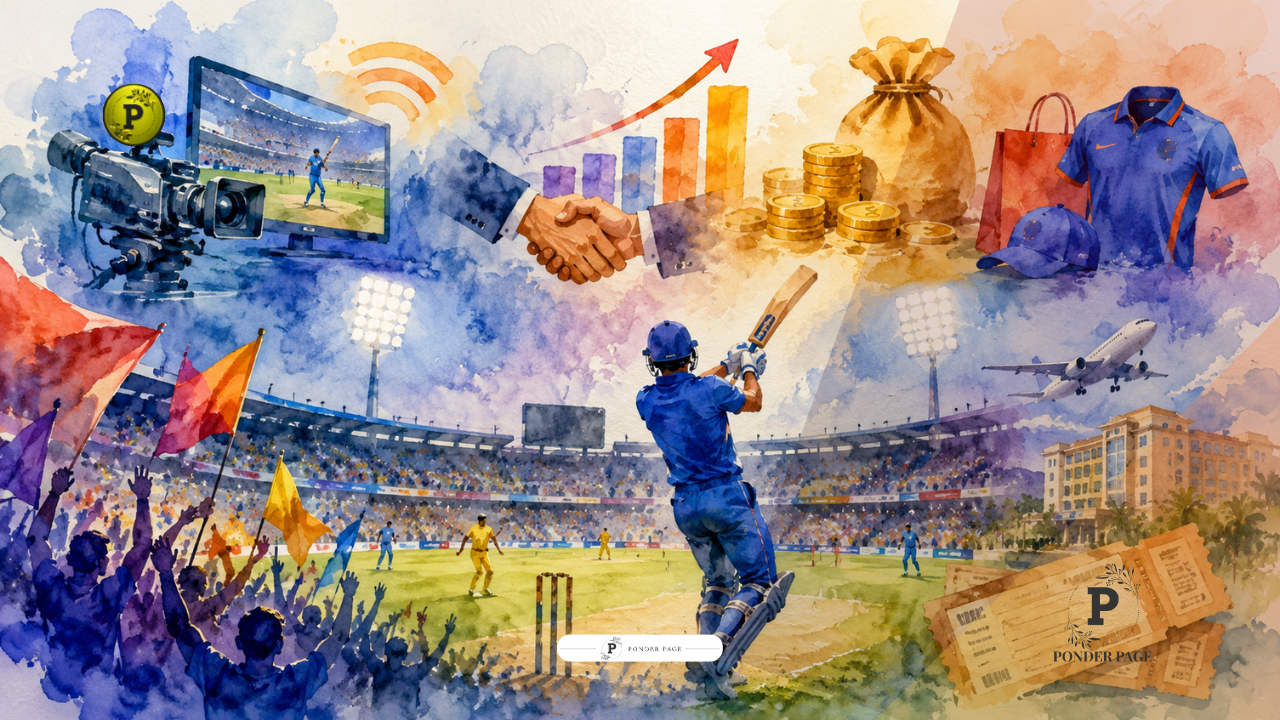
 How IPL Teams Actually Make Money: The Business Model Behind the World’s Biggest Cricket League
 -
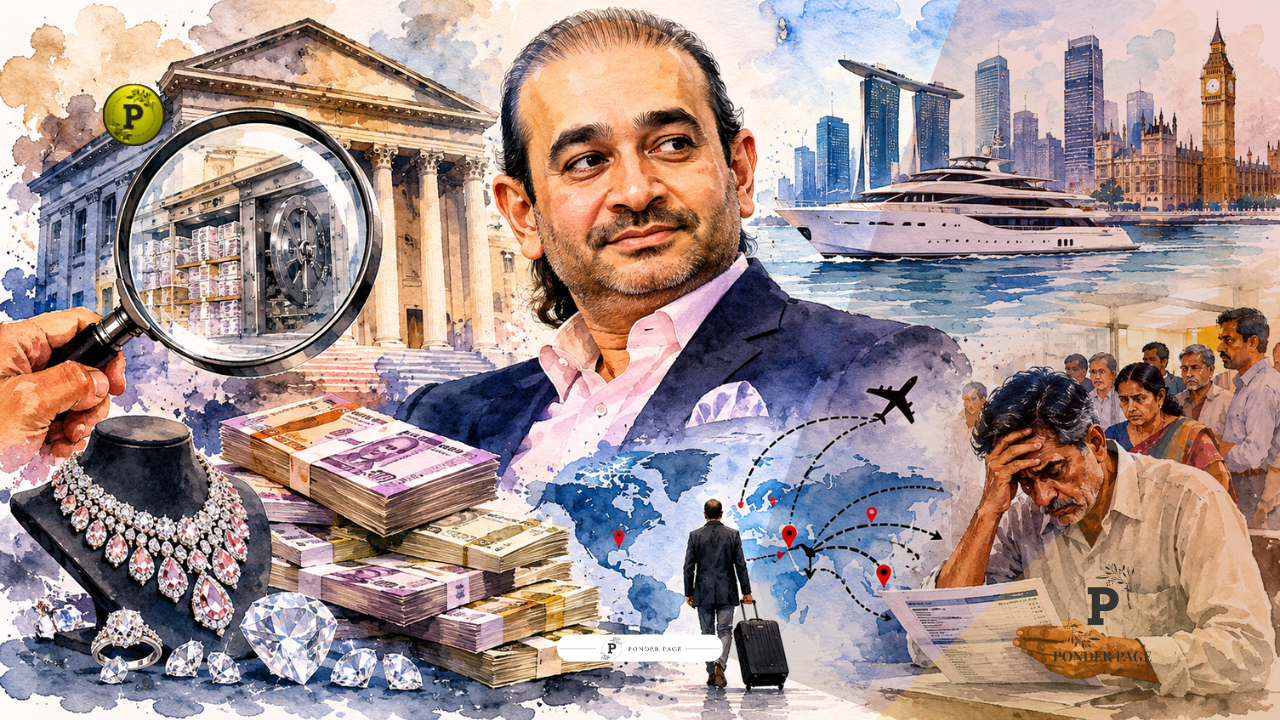
 Nirav Modi Scam Explained: How the PNB Fraud Worked and How a Billionaire Empire Collapsed
 -
 How Bernard Arnault Took Control of Louis Vuitton and Built a Luxury Empire
The Economics of Media Ownership and Revenue Streams
Many voices lament the compromised integrity of Indian media, often accusing it of being “sold out.” However, if this were true, it suggests the presence of buyers for such compromised content.
Media consolidation involves a select group of individuals gaining direct or indirect control over a country’s media landscape. This concentration of power enables them to shape and propagate specific agendas across various platforms.

Running a mainstream news channel requires a substantial investment, typically ranging from 80 to 100 crore rupees for operational expenses. Additionally, there’s a considerable cost associated with distribution, amounting to approximately 30 to 50 crore rupees to ensure the channel’s availability.
Beyond these initial costs, there are ongoing expenses such as production, infrastructure, and employee salaries. Journalists and reporters gather news from around the globe, incurring significant travel and operational costs.
Considering these expenses, it becomes evident that maintaining a news channel is a costly endeavor. Two primary avenues generate revenue: subscriptions and advertisements. Subscription fees from platforms contribute a modest amount, ranging from 1 to 3 rupees per viewer.
However, the bulk of revenue, approximately 75%, comes from advertising. To sustain long-term viability, news channels heavily rely on ad revenue. Yet, this dependency on advertising can lead to various challenges and ethical dilemmas within the industry.

The Power Dynamics of Government Advertising: Impact on Media Narratives
In the 2019 elections, an exorbitant amount exceeding 25 thousand crores was spent on social media and advertisements, highlighting the significant influence of these platforms. Consequently, the government emerges as a major client for these advertising endeavors.
News channels, like any other business, understand the repercussions of antagonizing their clients. Corporate entities, in particular, tend to avoid channels that adopt adversarial stances towards the government, fearing potential repercussions on their policies and interests.
This realization has led many news channels to adopt a cautious approach, refraining from criticism of the ruling government. However, this strategy isn’t without its challenges, as competition among channels remains fierce.
Balancing Editorial Integrity and Commercial Interests
Ultimately, the battle for viewership hinges on TRP (Television Rating Points), driving news channels to navigate a delicate balance between editorial integrity and commercial interests.
The proliferation of fake news, embellished with sensationalism and entertainment value, has captured the attention of audiences. In contrast to foreign countries where social media is often the breeding ground for falsehoods, mainstream media typically serves as the gatekeeper, debunking such misinformation. However, in our country, the situation is reversed, with mainstream media sometimes serving as the source of false narratives, only to be rectified by vigilant individuals on social media platforms.

From Factual Reporting to Narrative Tailoring: Indian Media and its Dark Reality
As a matter of fact, there has been a significant shift in the dynamics of news dissemination. Previously, newspapers based their publication on factual reporting and then sold them to the public. Nowadays, however, there is a trend where newspapers are tailored to cater to certain narratives even before they are printed, potentially compromising journalistic integrity.
Furthermore, the influence of media houses in managing political affairs has grown substantially. While people traditionally managed political parties, today, media entities also wield significant influence, shaping public opinion and political discourse to a considerable extent.
Lack of Effective Monitoring Mechanisms in Indian Media
One significant issue plaguing Indian media is the absence of robust monitoring mechanisms. Governments appear to deliberately orchestrate this absence rather than it being incidental. There is a conspicuous lack of a regulatory commission overseeing media practices.
Instead, the News Broadcast Association, an entity established by the very news channels it is meant to regulate, solely provides the semblance of oversight. Consequently, individuals from within the industry itself essentially compose the authority overseeing media conduct.
This arrangement is akin to entrusting the fox with guarding the henhouse. In essence, if someone within the media fraternity engages in misconduct, the complaint process ultimately funnels back into the same industry, resulting in a systemic lack of accountability. This setup appears as a farcical attempt at self-regulation, rather than a genuine effort to uphold journalistic standards.

Beyond Political Change: Indian Media and its Dark Reality
If one believes that a change in government will automatically rectify these issues, it’s merely wishful thinking. Whether it’s the previous, current, or forthcoming administrations, the approach to managing the media remains largely consistent.
Regardless of the political landscape, governments tend to exert influence over the media in similar ways. This pattern suggests that systemic challenges within the media industry go beyond political affiliations, emphasizing the need for structural reforms beyond mere leadership changes.


If you enjoyed this blog post ‘Indian Media and its Dark Reality‘, be sure to subscribe for more engaging content in the future! Stay updated on the latest developments and discussions by clicking the subscribe button. Thank you for your support!


Leave a Reply