

The Congress Party its Tradition and Reforms: After 24 years, a big change happened in the Congress party; they elected a new president who doesn’t have the last name Nehru or Gandhi. This is a big deal because it breaks from the usual way things are done and shows a change in the party’s history. This president was chosen by members of the party in an internal election. On October 17th 2023, members voted, and on October 19th, Malikarjun Kharge was announced as the winner over Shashi Tharoor, with a big lead of 6000 votes.

Table of Contents
Role of Political Parties in Governance
Looking back to India’s independence era, there were discussions about how the party should be involved in running the country. J. B. Kripalani, who was President of the Congress Party at the time, believed the party should be part of governing. However, leaders like Nehru and Patel disagreed. They thought there should be a clear separation between party politics and government work. They said parties should stick to their own rules and structures without interfering in government matters.
After that, India saw a trend where political parties started setting up their own rules and guidelines. These rules covered things like who holds what positions, their powers, who can join the party, how the party is organized, and how decisions are made. Also, it became common for parties to hold internal elections, letting members choose who represents them in different roles within the party.
Institutional Frameworks and Party Membership
In any Indian political party, members are called “Karyakartas.” Anyone over 18 can join a party, but the process varies. To join the Congress party, for example, you fill out a form and pay a small fee of ₹5.
For those born into political families, the usual formalities might not apply. National parties have a hierarchy, like companies, from national to block level. At the block level, workers form committees. Delegates from these committees move up to represent higher levels, like the Pradesh Congress Committee (PCC). PCC delegates, along with others, pick the party’s president.
The president is supposed to be chosen based on the party’s rules and member preferences, but in reality, the top leaders, called the high command, often influence or decide the selection. This makes the election process more symbolic than meaningful. In today’s politics, it seems only children of established leaders move up, keeping power within certain families. Leaders are hesitant to promote internal democracy because it might challenge their control, risking their hold on power.

Dynastic Politics and Legal Void
The Representation of the People Act 1951, Section 29A states that political parties must register with the Election Commission. However, the Election Commission doesn’t have strong legal power to ensure internal democracy within these parties, creating an unaddressed gap. Despite laws against having lifetime presidents in political parties, as outlined in our laws, cases like the July 2022 announcement by the YSRCP in Andhra Pradesh, naming Jagmohan Reddy as the lifetime president, openly disregard these rules.
Although having lifetime presidents may seem unusual in democracies, it’s not exclusive to Indian politics. However, in other countries, strict enforcement of regulations ensures that such violations are quickly stopped, showing a difference between having rules and making sure they’re followed.
-
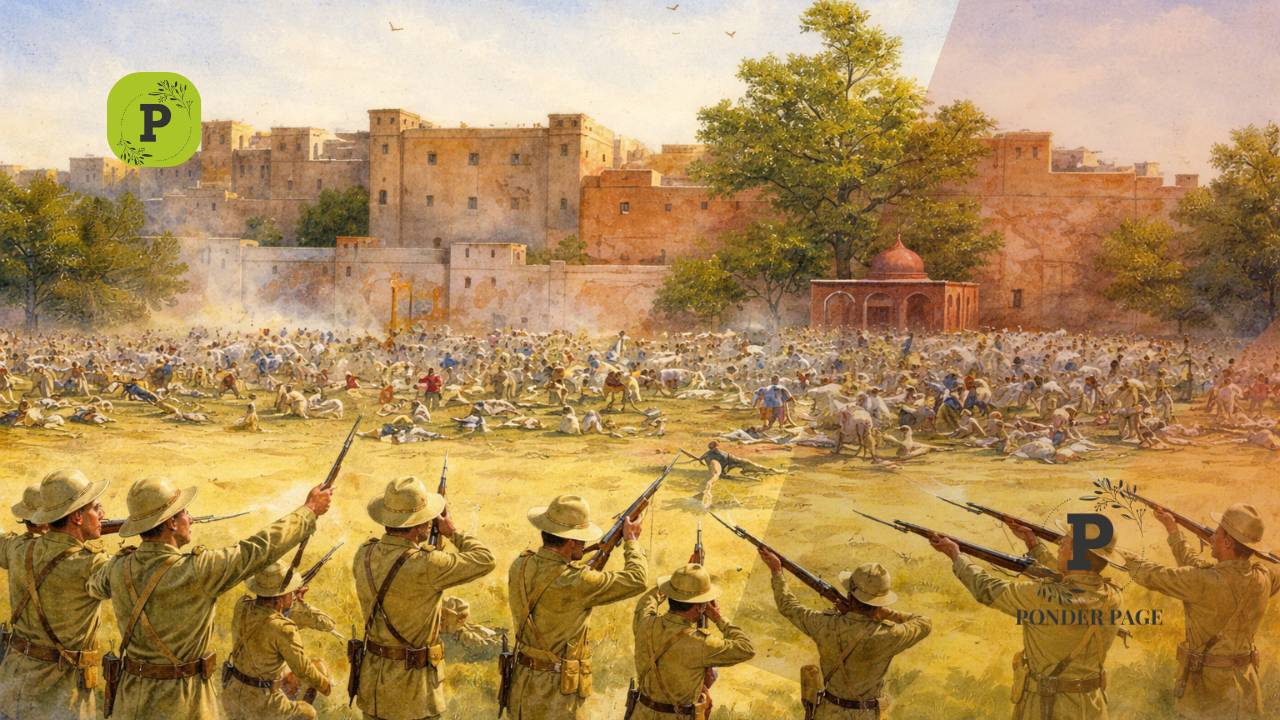
 From Protest to Turning Point: The Story of Jallianwala Bagh and Its Aftermath
 -
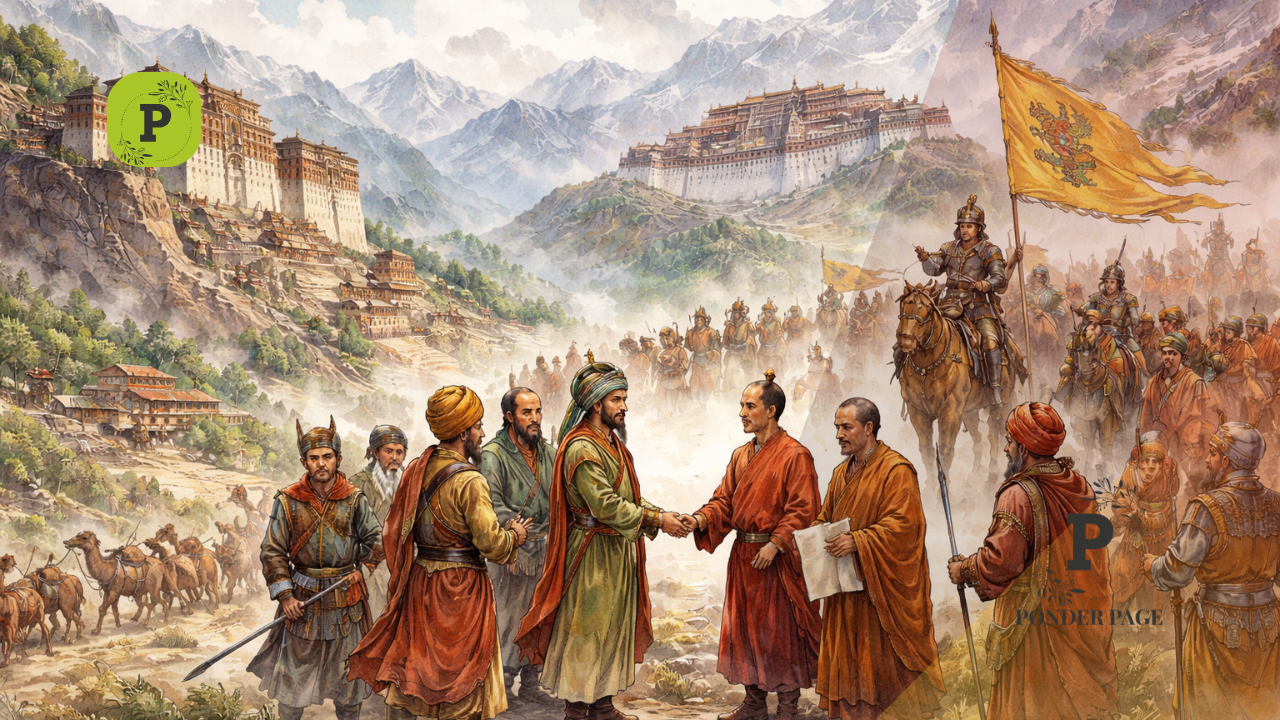
 The Roots of the India China Border in Ladakh
 -
 The Origins of the Indian National Congress: A Turning Point in Colonial India
 -
 The Evolution of Money: Life Before Currency
 -
 The Cabinet Mission Plan of 1946: A Turning Point in India’s Freedom Struggle
Congress Working Committee (CWC) and Power Dynamics
The Congress Working Committee (CWC) is the top decision-making body in the Congress Party, with a big say in its direction. It handles important matters like ticket allocation, usually overseen by the Congress Election Committee (CEC). But the CWC often has more than just a say; it has a lot of influence over the CEC’s decisions too.
At the head of the CWC is the party president, whose recent election on October 17 was a big moment. Made up of 25 members, including the president, one parliamentary leader, and 23 other members known as the G-23, the CWC plays a key role in shaping the party’s story and actions. The G-23 members have been strong supporters of internal reforms, pushing for democratic practices in the party since August 2020.
Recent Presidential Election
The recent presidential election in the Congress Party surprised many, particularly with Ashok Gehlot, the Chief Minister of Rajasthan, initially considered a top candidate. Gehlot’s decision to withdraw from the race surprised many, influenced by several factors. Despite Sonia Gandhi urging Gehlot to run for president, he gave in only to face the challenge posed by the Udaipur Navchintan Declaration.
This declaration, which is a key part of party rules, laid out strict rules like age limits, limits on family representation, and term limits. The rule stating that one person can only hold one position at a time was especially important for Gehlot. The idea of giving up his role as Chief Minister to become president posed a tough choice, with implications beyond personal ambition to the broader party scene.
For Gehlot, becoming president meant not just losing his powerful position as Chief Minister, but also potentially letting his political rival, Sachin Pilot, become Chief Minister. This calculated risk, along with the looming 2024 elections, made Gehlot decide to drop out of the race, choosing to navigate the party’s power dynamics carefully.
Influence of the Nehru-Gandhi Dynasty
Throughout the history of the Congress party, there’s a familiar trend where members of the Gandhi family offer resignations, but their supporters urge them to stay. These situations often end with discussions in the Congress Working Committee (CWC), where the Gandhis consistently hold decision-making power.
Challenges to Reform: Legal, Ethical, and Strategic
In 1999, a significant event occurred when prominent leaders Sharad Pawar, P A Sangma, and Tariq Anwar objected to a person of foreign origin holding key constitutional positions. In response, Sonia Gandhi resigned, sparking protests and expulsions from the party. However, Gandhi later withdrew her resignation, highlighting the enduring influence of the Gandhi family within the party.
After electoral losses in 2014 and 2019, Sonia Gandhi and Rahul Gandhi offered their resignations, but the CWC ultimately rejected them. Despite internal turmoil and murmurs of dissent, the Gandhis’ control remained unchallenged, showing the entrenched dominance of the family within the party.
The internal dynamics of the party go beyond resignations, with leaders like Mamata Banerjee and Sharad Pawar leaving the Congress due to feeling sidelined. These departures highlight the tensions between ambitious regional leaders and the centralized authority of the Gandhi family, often resulting in new political factions.

The Path Forward: Embracing Intra-Party Elections
In the recent presidential elections within the Congress party, Shashi Tharoor and Mallikarjun Kharge represented different approaches. Tharoor pushed for change with a detailed manifesto, but Kharge’s win seemed predetermined due to the strong influence of the Gandhi family in the party. Tharoor’s reform ideas faced resistance from established power structures, showing the challenges for dissenting voices in the party.
Adding complexity are legal and ethical issues surrounding key figures. Tharoor’s involvement in legal matters, along with questions about his foreign background, make it harder for him to take on major roles in the party. On the other hand, Rahul Gandhi’s focus on personal branding and seeming detachment from grassroots activism mark a shift from traditional party politics, reflecting broader changes in the Congress’s approach.
Tradition and Reform
As the Congress aims to revitalize itself with initiatives like “Bharat Jodo,” it faces a crucial moment in its history marked by internal conflicts, external pressures, and the need for adaptation in a rapidly changing political landscape.
The dilemma for the Gandhi family lies in choosing between appointing a new party president, risking divisions within the party, or taking on the role themselves, risking electoral setbacks. Amid these challenges, the current solution seems to be embracing intra-party elections, which could promote greater internal democracy within Indian political parties.
Rahul Gandhi, after serving as party president for a significant period, is now stepping back from immediately seeking the presidency again, focusing instead on personal branding. This strategic shift shows an understanding of the party’s internal dynamics and the necessity for renewal.


Critics – The Congress Party its Tradition and Reforms
Critics argue that senior leaders in the Congress share responsibility for the party’s setbacks, with some suggesting they played a part in Rahul Gandhi’s resignation. Despite calls for accountability, few senior leaders have followed Gandhi’s example in stepping down, reinforcing the perception of entrenched privilege within the party hierarchy.
Rahul Gandhi’s efforts, like the campaign against the Rafale scam, didn’t gain widespread support from senior Congress leaders. Additionally, the prevalence of dynastic politics, seen in the nomination of leaders’ sons for electoral tickets, shows the challenges Rahul Gandhi faces in bringing meaningful change to the party.
As long as these entrenched interests hold sway, Rahul Gandhi’s return to the presidency remains uncertain, highlighting the ongoing tensions between tradition and reform within the Congress party.
If you enjoyed this blog post, be sure to subscribe for more engaging content in the future! Stay updated on the latest developments and discussions by clicking the subscribe button. Thank you for your support!




Leave a Reply