
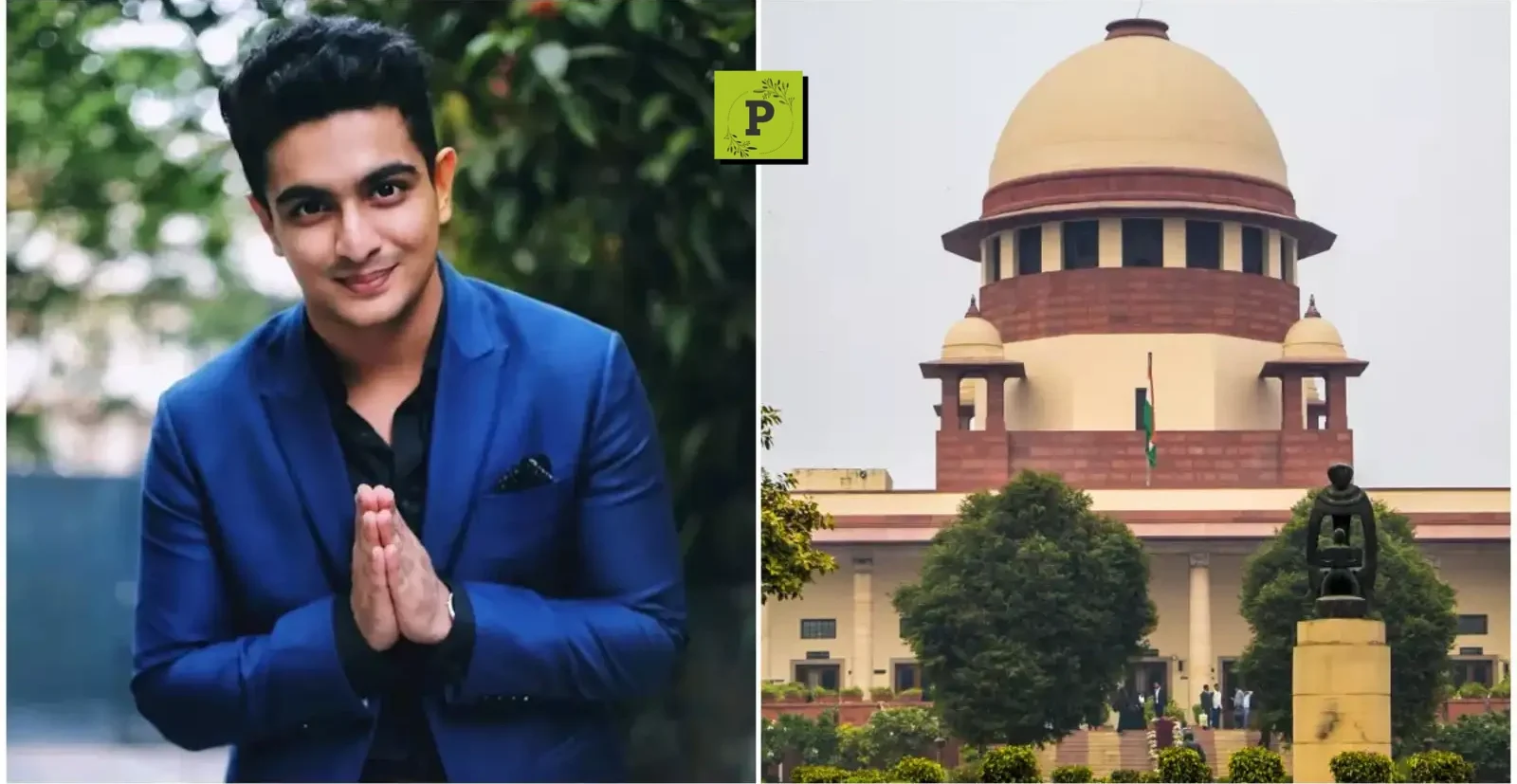
The Ranveer Allahbadia Case has been a topic of widespread discussion, raising crucial legal questions. How did this case escalate into a criminal offense? What legal provisions were invoked, and how did it reach the Supreme Court? This post delves into the intricate legal aspects of the case, examining its implications for digital content creators and the broader legal landscape.
(You can now subscribe to our Ponder Page WhatsApp channel)

Table of Contents
Evolution into a Criminal Case
From a legal standpoint, cases are broadly classified into two categories: civil and criminal. Civil cases typically involve disputes between individuals or entities, such as property conflicts or contract breaches. Criminal cases, on the other hand, involve the state prosecuting an individual for acts deemed harmful to society. In this instance, multiple complaints were lodged against Ranveer across different states, thereby classifying it as a criminal case under Indian law.
Jurisdictional Complexity in Online Cases
Under standard legal principles, the jurisdiction to file a First Information Report (FIR) lies within the area where the crime occurred. However, digital offenses operate under different rules. If objectionable content is uploaded online, any individual from any state can file a complaint. Consequently, multiple FIRs were registered against Ranveer in different jurisdictions.
Common Intention and Collective Liability
Ranveer and other individuals associated with his show have been charged under Section 3(5) (Common Intention) of the Bharatiya Nyaya Sanhita (BNS). This legal principle asserts that if a crime is committed collectively, each participant is held equally responsible, irrespective of their direct involvement.
For instance, if five individuals conspire to harm someone, even if only one person executes the act, all five are deemed equally culpable. Applying this principle, legal proceedings have been initiated against all individuals present during the show.
Judicial Precedents and Their Significance
In India’s legal system, past judicial rulings heavily influence contemporary and future cases. A notable example is the Vishakha vs. State of Rajasthan case, where the Supreme Court established guidelines against workplace sexual harassment, later enshrined in law.
Similarly, the verdict in Ranveer’s case is expected to set a precedent for digital content regulation and freedom of expression.
Freedom of Speech: Rights and Limitations
Under Article 19(1)(a) of the Indian Constitution, every citizen is granted the right to freedom of speech and expression. However, this right is subject to reasonable restrictions, inter alia including national security, public order, and decency and morality. Speech should not endanger the integrity or sovereignty of the country. Statements should not incite violence or disrupt societal harmony. Content must align with ethical and moral standards. In this case, authorities argue that Ranveer’s remarks breach decency and morality standards, thus warranting legal action.
The Supreme Court’s Role and Direct Involvement
Typically, legal matters progress from lower courts to high courts, and finally, to the Supreme Court on appeal. However, this case directly reached the Supreme Court due to its constitutional significance. Under Article 32, individuals can directly petition the Supreme Court if their fundamental rights are infringed. As this case involves a core constitutional right, it warranted the Supreme Court’s immediate attention.
Do VIPs Receive Expedited Hearings in the Supreme Court?
The swift hearing of Ranveer’s petition raised concerns about preferential treatment for influential individuals. The reality is that the Supreme Court prioritizes cases with nationwide legal implications. Some cases qualify for interim relief, leading to faster hearings. This case pertains to social media regulations and freedom of speech, making it a high-priority matter.


Key Takeaways from the Ranveer Allahbadia Case
The Ranveer Allahbadia case highlights various critical legal issues. More than just an individual’s legal battle, it has broad implications for the digital content ecosystem. The verdict will clarify the extent of free speech on digital platforms. It will establish clearer guidelines on collective liability in content creation. Courts will have a precedent when addressing similar cases in the future. As the nation awaits the Supreme Court’s ruling, the outcome of this case will significantly influence online content creators and the evolving framework of digital expression in India.
What are your thoughts on this article? Let us know in the comments below. If you enjoyed this article, be sure to subscribe for more engaging content in the future! Stay updated on the latest developments and discussions by clicking the subscribe button above. Thank you for your support!
📢 Dive into the latest discussions on social & trending topics! 🌍💬 Subscribe to Ponder Page for thought-provoking articles and interviews that dissect current issues. Don’t miss out on insightful content—hit that like & subscribe button now!





Leave a Reply