
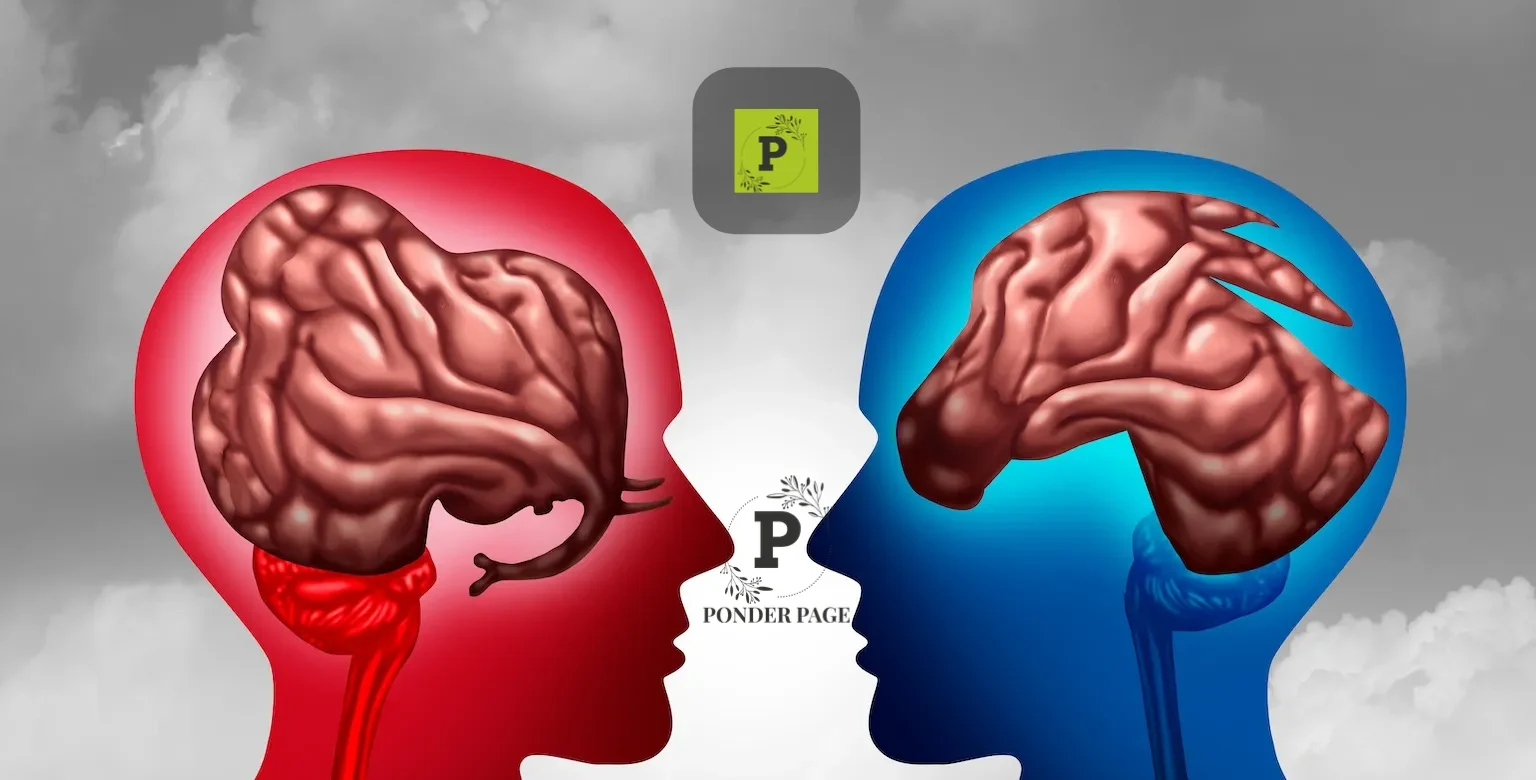
Left and Right in Politics: In today’s political discourse, the terms “left” and “right” are frequently used but often misunderstood. These labels, originating from the tumultuous times of the French Revolution in the 18th century, carry significant ideological weight that shapes political landscapes across the globe.
(You can now subscribe to our Ponder Page WhatsApp channel)

Table of Contents
Historical Roots of Left and Right
The concepts of left and right first emerged during the French Revolution, where those on the left supported radical change and egalitarianism, while those on the right favored maintaining the monarchy and traditional social structures. This ideological divide laid the groundwork for defining political positions based on attitudes towards societal change and governance.
-
 Ceasefire Politics and Rise of Pakistan as a Global Mediator
 -
 From Protest to Turning Point: The Story of Jallianwala Bagh and Its Aftermath
 -
 The Roots of the India China Border in Ladakh
 -
 The Origins of the Indian National Congress: A Turning Point in Colonial India
 -
 The Evolution of Money: Life Before Currency
Ideological Differences
The core distinction between the left and right lies in their views on the balance between personal freedom and state power. The left generally advocates for a more interventionist role of the state in ensuring social equality and regulating business activities, often through higher taxes on the wealthy and progressive social policies.
Conversely, the right emphasizes personal freedom and limited government intervention in economic affairs. They believe in free markets, lower taxes, and minimal regulation, arguing that economic prosperity is best fostered through individual initiative and innovation.

Key Policy Areas
- Left-wing Policies
Advocating for social equality through proactive government intervention entails supporting progressive social policies like LGBTQ+ rights and abortion rights. This approach reflects a commitment to inclusivity and justice, aiming to rectify historical disparities and ensure equal opportunities for all. Embracing Keynesian economic principles further reinforces this stance by advocating for government intervention during economic downturns to stabilize and stimulate the economy, thereby fostering conditions where social equality can thrive and individuals can prosper without systemic barriers.
- Right-wing Policies
Focusing on individual freedoms and minimizing government interference underscores a commitment to personal autonomy and limited state control. Embracing traditional values and maintaining skepticism towards rapid social changes advocated by the left reflects a belief in preserving cultural stability and societal norms. Advocating for laissez-faire economics underscores a preference for market-driven solutions, emphasizing innovation and competition while minimizing state intervention in economic affairs. This approach aims to empower individuals, uphold traditional values, and promote economic freedom as foundational to a thriving society.

Political Spectrum and Parties
In various countries, political parties align themselves along this spectrum. For instance, left-wing parties include Labour, Greens, and Democrats, while right-wing parties encompass Republicans, Conservatives, and UKIP. Some parties, like the Liberal Democrats, occupy a centrist position, blending elements of both left and right ideologies.
Beyond a Simple Dichotomy
While useful for understanding broad ideological tendencies, the left-right spectrum doesn’t fully capture the complexity of political beliefs. Within each side, there exist further divisions such as authoritarianism versus libertarianism, complicating the simplistic left-right categorization. PP


Left and Right in Politics: Understanding Political Complexity
In conclusion, while the terms “left” and “right” provide a basic framework for understanding political ideologies, their application can be nuanced and context-dependent. For example, while Labour in the UK is traditionally seen as left-wing, its policies sometimes lean towards the center or even the right. Similarly, in the United States, both Democrats and Republicans may espouse right-wing policies, albeit with differing emphases.
The political spectrum is multifaceted, encompassing a range of beliefs from authoritarian to libertarian perspectives. It’s crucial for voters to delve into party platforms and policies rather than relying solely on broad ideological labels when making informed decisions at the ballot box.
By understanding the origins, ideologies, and nuances of left and right in politics, individuals can better navigate the complexities of modern political landscapes and make informed choices about governance and societal direction.
What are your thoughts on this? Let us know in the comments below.
If you enjoyed this blog post, be sure to subscribe for more engaging content in the future! Stay updated on the latest developments and discussions by clicking the subscribe button above. Thank you for your support!




Leave a Reply