India that is Bharat: In a country as diverse and historically rich as India, even the name by which it is referred to can become a topic of intense debate. According to the Constitution of India, our nation is known both as India and Bharat. Article 1 of the Constitution says that India, that is Bharat, shall be a union of states and the territory of India consists of that of the states, union territories specified in the First Schedule and other acquired territories. While this dual nomenclature reflects the country’s multifaceted heritage, it has also become a focal point for political maneuvering and controversy.

(You can now subscribe to our Ponder Page WhatsApp channel

India that is Bharat: Names Rooted in the Constitution, Divided by Politics India that is Bharat: In a country as diverse and historically rich as India, even the name by which it is referred to can become a topic of intense debate. According to the Constitution of India, our nation is known both as India and Bharat. Article 1 of the Constitution says that India, that is Bharat, shall be a union of states and the territory of India consists of that of the states, union territories specified in the First Schedule and other acquired territories. While this dual nomenclature reflects the country’s multifaceted heritage, it has also become a focal point for political maneuvering and controversy. (You can now subscribe to our Ponder Page WhatsApp channel) Constitutional Perspective: India, that is Bharat The framers of the Indian Constitution were visionaries who understood the importance of acknowledging the country’s diverse cultural, linguistic, and historical facets. Article 1 of the Indian Constitution states: "India, that is Bharat, shall be a Union of States." This provision clearly establishes that both names hold equal status and are interchangeable when referring to the nation. The name "India" is derived from the River Indus, which was historically important to the region and the civilizations that flourished around it. The term gained prominence during the colonial era under British rule. On the other hand, "Bharat" has ancient roots, tracing back to early Hindu scriptures such as the Puranas and the Mahabharata, symbolizing a deeper, indigenous identity. The Cultural Significance of Bharat Bharat resonates deeply with Indian culture and history. The name evokes a sense of connection to the country’s ancient past, its traditions, and its philosophies. It symbolizes the age-old civilization that has endured through centuries, adapting and evolving while retaining its core values. The Modern Appeal of India "India," while reflecting colonial history, has become synonymous with the modern, democratic, and secular republic that emerged post-independence. It represents the country's global identity, its aspirations on the world stage, and its contemporary achievements in various fields such as technology, economy, and international diplomacy. Political Exploitation of the Names Despite the constitutional clarity, the dual nomenclature has been manipulated by politicians and various groups for their own agendas. Some political parties, leaders, and certain groups emphasize "Bharat" to evoke a sense of nationalism and cultural pride, often appealing to more traditional and conservative sections of society. They argue that "Bharat" is more reflective of the country's indigenous heritage and values. Conversely, others advocate for the use of "India" to highlight the country's modern, inclusive, and progressive nature. They argue that "India" embodies the nation’s journey towards becoming a democratic republic, inclusive of all its diverse populations and their aspirations. The Danger of Divisive Politics This politicization of the country’s name is not just a superficial debate but has deeper implications for national unity. When politicians play the "name game," it risks alienating different sections of society. The emphasis on one name over the other can be perceived as a rejection of either the country’s ancient heritage or its modern achievements. This can lead to unnecessary divisions and undermine the cohesive fabric of the nation. Moreover, such debates often divert attention from pressing issues that require immediate focus—economic development, social justice, education, healthcare, and infrastructure. By focusing on symbolic issues like the country’s name, political leaders can avoid addressing more complex and challenging problems that need real solutions. India that is Bharat: Embracing Both Identities India and Bharat are not just names; they represent different but equally important aspects of the country’s identity. The former reflects the nation’s place in the global community, its modernity, and progressiveness, while the latter connects it to its ancient roots, culture, and heritage. For India to move forward as a unified nation, it is crucial to embrace both names with equal respect and pride. This dual identity should be seen as a strength rather than a point of contention. It is a testament to the country’s ability to integrate its rich past with its dynamic present and future. While politicians and certain groups may try to use the names India and Bharat to further their own agendas, it is essential for the citizens to rise above these divisive tactics. Recognizing and valuing both identities can help foster a sense of unity and shared heritage, propelling the nation towards a brighter and more inclusive future. The focus should be on building a nation that respects its history while striving towards a prosperous and equitable future for all its citizens. What are your thoughts on this article? Let us know in the comments below. If you enjoyed this article, be sure to subscribe for more engaging content in the future! Stay updated on the latest developments and discussions by clicking the subscribe button above. Thank you for your support! 📢 Dive into the latest discussions on social & trending topics! 🌍💬 Subscribe to Ponder Page for thought-provoking articles and interviews that dissect current issues. Don't miss out on insightful content—hit that like & subscribe button now!

Constitutional Perspective: India, that is Bharat

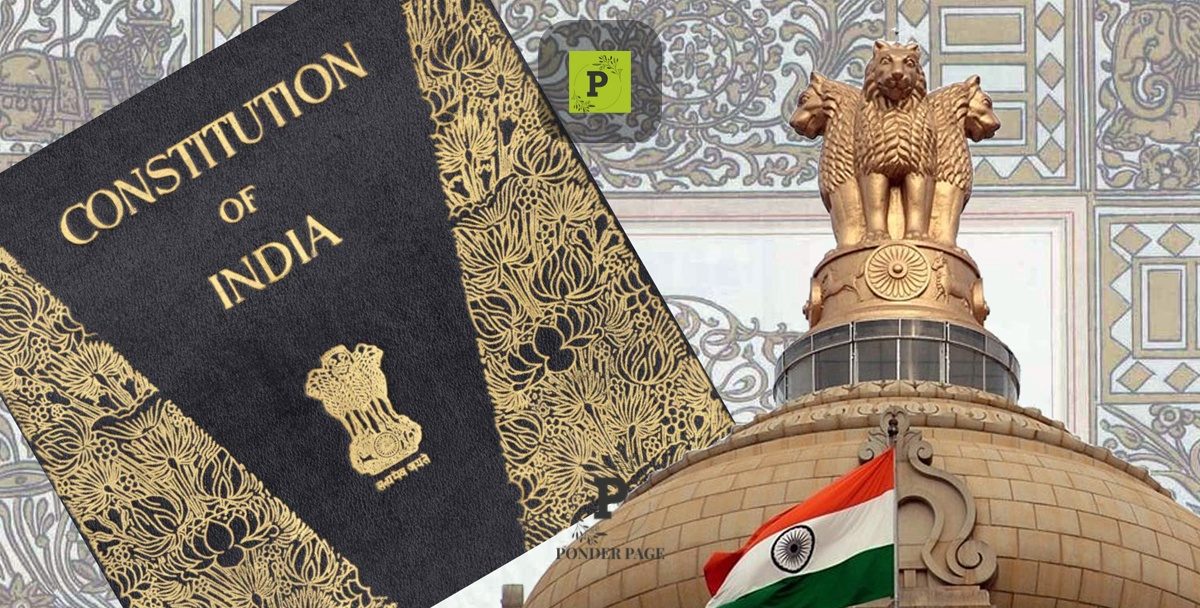
The framers of the Indian Constitution were visionaries who understood the importance of acknowledging the country’s diverse cultural, linguistic, and historical facets. Article 1 of the Indian Constitution states: “India, that is Bharat, shall be a Union of States.” This provision clearly establishes that both names hold equal status and are interchangeable when referring to the nation.

The name “India” is derived from the River Indus, which was historically important to the region and the civilizations that flourished around it. The term gained prominence during the colonial era under British rule. On the other hand, “Bharat” has ancient roots, tracing back to early Hindu scriptures such as the Puranas and the Mahabharata, symbolizing a deeper, indigenous identity.

The Cultural Significance of Bharat

Bharat resonates deeply with Indian culture and history. The name evokes a sense of connection to the country’s ancient past, its traditions, and its philosophies. It symbolizes the age-old civilization that has endured through centuries, adapting and evolving while retaining its core values.

History Behind The Name INDIA

The Modern Appeal of India

“India,” while reflecting colonial history, has become synonymous with the modern, democratic, and secular republic that emerged post-independence. It represents the country’s global identity, its aspirations on the world stage, and its contemporary achievements in various fields such as technology, economy, and international diplomacy.

Political Exploitation of the Names

Despite the constitutional clarity, the dual nomenclature has been manipulated by politicians and various groups for their own agendas. Some political parties, leaders, and certain groups emphasize “Bharat” to evoke a sense of nationalism and cultural pride, often appealing to more traditional and conservative sections of society. They argue that “Bharat” is more reflective of the country’s indigenous heritage and values.

Conversely, others advocate for the use of “India” to highlight the country’s modern, inclusive, and progressive nature. They argue that “India” embodies the nation’s journey towards becoming a democratic republic, inclusive of all its diverse populations and their aspirations.

India that is Bharat: Names Rooted in the Constitution, Divided by Politics

India that is Bharat: In a country as diverse and historically rich as India, even the name by which it is referred to can become a topic of intense debate. According to the Constitution of India, our nation is known both as India and Bharat. Article 1 of the Constitution says that India, that is Bharat, shall be a union of states and the territory of India consists of that of the states, union territories specified in the First Schedule and other acquired territories. While this dual nomenclature reflects the country’s multifaceted heritage, it has also become a focal point for political maneuvering and controversy.

(You can now subscribe to our Ponder Page WhatsApp channel)

Constitutional Perspective: India, that is Bharat

The framers of the Indian Constitution were visionaries who understood the importance of acknowledging the country’s diverse cultural, linguistic, and historical facets. Article 1 of the Indian Constitution states: "India, that is Bharat, shall be a Union of States." This provision clearly establishes that both names hold equal status and are interchangeable when referring to the nation.

The name "India" is derived from the River Indus, which was historically important to the region and the civilizations that flourished around it. The term gained prominence during the colonial era under British rule. On the other hand, "Bharat" has ancient roots, tracing back to early Hindu scriptures such as the Puranas and the Mahabharata, symbolizing a deeper, indigenous identity.

The Cultural Significance of Bharat

Bharat resonates deeply with Indian culture and history. The name evokes a sense of connection to the country’s ancient past, its traditions, and its philosophies. It symbolizes the age-old civilization that has endured through centuries, adapting and evolving while retaining its core values.

The Modern Appeal of India

"India," while reflecting colonial history, has become synonymous with the modern, democratic, and secular republic that emerged post-independence. It represents the country's global identity, its aspirations on the world stage, and its contemporary achievements in various fields such as technology, economy, and international diplomacy.

Political Exploitation of the Names

Despite the constitutional clarity, the dual nomenclature has been manipulated by politicians and various groups for their own agendas. Some political parties, leaders, and certain groups emphasize "Bharat" to evoke a sense of nationalism and cultural pride, often appealing to more traditional and conservative sections of society. They argue that "Bharat" is more reflective of the country's indigenous heritage and values.

Conversely, others advocate for the use of "India" to highlight the country's modern, inclusive, and progressive nature. They argue that "India" embodies the nation’s journey towards becoming a democratic republic, inclusive of all its diverse populations and their aspirations.

The Danger of Divisive Politics

This politicization of the country’s name is not just a superficial debate but has deeper implications for national unity. When politicians play the "name game," it risks alienating different sections of society. The emphasis on one name over the other can be perceived as a rejection of either the country’s ancient heritage or its modern achievements. This can lead to unnecessary divisions and undermine the cohesive fabric of the nation.

Moreover, such debates often divert attention from pressing issues that require immediate focus—economic development, social justice, education, healthcare, and infrastructure. By focusing on symbolic issues like the country’s name, political leaders can avoid addressing more complex and challenging problems that need real solutions.

India that is Bharat: Embracing Both Identities

India and Bharat are not just names; they represent different but equally important aspects of the country’s identity. The former reflects the nation’s place in the global community, its modernity, and progressiveness, while the latter connects it to its ancient roots, culture, and heritage.

For India to move forward as a unified nation, it is crucial to embrace both names with equal respect and pride. This dual identity should be seen as a strength rather than a point of contention. It is a testament to the country’s ability to integrate its rich past with its dynamic present and future.

While politicians and certain groups may try to use the names India and Bharat to further their own agendas, it is essential for the citizens to rise above these divisive tactics. Recognizing and valuing both identities can help foster a sense of unity and shared heritage, propelling the nation towards a brighter and more inclusive future. The focus should be on building a nation that respects its history while striving towards a prosperous and equitable future for all its citizens.

What are your thoughts on this article? Let us know in the comments below.
If you enjoyed this article, be sure to subscribe for more engaging content in the future! Stay updated on the latest developments and discussions by clicking the subscribe button above. Thank you for your support!
📢 Dive into the latest discussions on social & trending topics! 🌍💬 Subscribe to Ponder Page for thought-provoking articles and interviews that dissect current issues. Don't miss out on insightful content—hit that like & subscribe button now!

The Danger of Divisive Politics

This politicization of the country’s name is not just a superficial debate but has deeper implications for national unity. When politicians play the “name game,” it risks alienating different sections of society. The emphasis on one name over the other can be perceived as a rejection of either the country’s ancient heritage or its modern achievements. This can lead to unnecessary divisions and undermine the cohesive fabric of the nation.

Moreover, such debates often divert attention from pressing issues that require immediate focus—economic development, social justice, education, healthcare, and infrastructure. By focusing on symbolic issues like the country’s name, political leaders can avoid addressing more complex and challenging problems that need real solutions. PP

India that is Bharat: Embracing Both Identities

India and Bharat are not just names; they represent different but equally important aspects of the country’s identity. The former reflects the nation’s place in the global community, its modernity, and progressiveness, while the latter connects it to its ancient roots, culture, and heritage.

For India to move forward as a unified nation, it is crucial to embrace both names with equal respect and pride. This dual identity should be seen as a strength rather than a point of contention. It is a testament to the country’s ability to integrate its rich past with its dynamic present and future.

While politicians and certain groups may try to use the names India and Bharat to further their own agendas, it is essential for the citizens to rise above these divisive tactics. Recognizing and valuing both identities can help foster a sense of unity and shared heritage, propelling the nation towards a brighter and more inclusive future. The focus should be on building a nation that respects its history while striving towards a prosperous and equitable future for all its citizens.

What are your thoughts on this article ‘India that is Bharat: Names Rooted in the Constitution, Divided by Politics’? Let us know in the comments below.

If you enjoyed this article ‘India that is Bharat: Names Rooted in the Constitution, Divided by Politics’ , be sure to subscribe for more engaging content in the future! Stay updated on the latest developments and discussions by clicking the subscribe button above. Thank you for your support!

📢 Dive into the latest discussions on social & trending topics! 🌍💬 Subscribe to Ponder Page for thought-provoking articles and interviews that dissect current issues. Don’t miss out on insightful content—hit that like & subscribe button now!

Leave a Reply

Trending

Discover more from Ponder Page

Subscribe now to keep reading and get access to the full archive.

Continue reading

Discover more from Ponder Page

Subscribe now to keep reading and get access to the full archive.

Continue reading

Who is Ajay Pal Sharma US Abducts the President of Venezuela The Dark Side Of Animal Relationships Can You Increase Height Naturally Natural Ways To Gain Weight And Build Muscle The Truth Behind the Most Misunderstood Name in Indian Politics The Day Prithviraj Chauhan Met Ashwatthama The Statue of Liberty Story You Never Knew 82 Minors Missing in Mumbai in Just 36 Days Aurangzeb and his Cruelty