
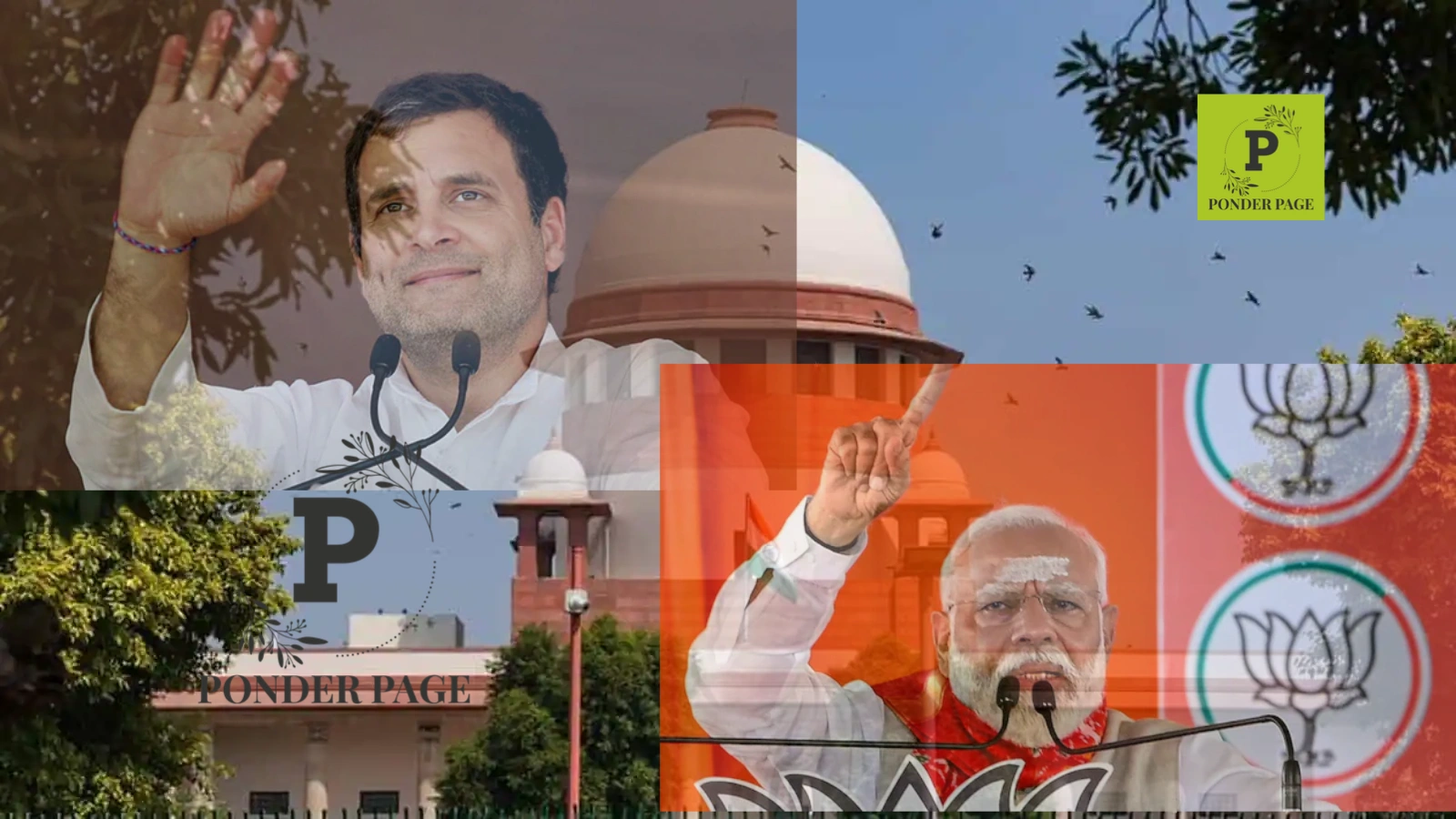
Former judges invite PM Modi and Rahul Gandhi to debate during Lok Sabha Elections: In a significant move aimed at enhancing transparency and accountability in the Indian political landscape, former Supreme Court Justice Madan Lokur, former Delhi High Court Justice AP Shah, and renowned journalist N Ram have extended an invitation to Prime Minister Narendra Modi and Congress leader Rahul Gandhi for a public debate. This invitation comes at a critical juncture, midway through the 2024 Lok Sabha elections, highlighting a pivotal moment for democratic engagement in India.
(You can now subscribe to our Ponder Page WhatsApp channel)

Table of Contents
The Objective Behind the Invitation
The proponents of this initiative have articulated a clear and compelling rationale for this debate. In their correspondence, they emphasize that such an event is conceived as a non-partisan platform that serves the larger interests of the nation. Their goal is to foster a forum where pressing national issues can be discussed openly, providing a direct line of communication between key political leaders and the public. This initiative is seen as a way to fortify the democratic process in India, which, as the world’s largest democracy, is under global scrutiny during election seasons.

The Need for Direct Dialogue
The rationale for this proposed debate stems from the observations made by the letter’s authors during various rallies and public addresses by members of both the Bharatiya Janata Party (BJP) and the Indian National Congress (INC). The discourse has been marked by significant exchanges on fundamental issues such as reservations, Article 370, wealth redistribution, the Electoral Bond scheme, and the nation’s response to external threats. Despite these exchanges, there has been a noted absence of substantive dialogue or conclusive responses from either side.
The letter highlights the importance of moving beyond mere allegations and challenges, pointing to the need for a structured and meaningful interaction that can provide voters with clear insights into each party’s stance and proposals. Such an initiative is especially critical in an era dominated by digital information, which often leads to misinformation and manipulation.
-
 From Protest to Turning Point: The Story of Jallianwala Bagh and Its Aftermath
 -
 The Roots of the India China Border in Ladakh
 -
 The Origins of the Indian National Congress: A Turning Point in Colonial India
 -
 The Evolution of Money: Life Before Currency
 -
 The Cabinet Mission Plan of 1946: A Turning Point in India’s Freedom Struggle
Strengthening Democracy Through Informed Debate
The invitation by Justices Lokur and Shah, along with N Ram, is predicated on the belief that an informed electorate is the cornerstone of a functioning democracy. By facilitating a public debate, they aim to set a precedent that could transform the electoral landscape of India. Not only would this initiative help educate the public on key issues, but it would also project an image of a vibrant, healthy democracy committed to addressing the concerns of its citizens through open dialogue.

Proposed Format and Conditions
Recognizing the logistical and practical considerations involved in organizing such a high-profile event, the letter suggests that details such as the venue, duration, moderators, and format of the debate be mutually agreed upon by the participants. This inclusive approach ensures that both parties have a stake in the organization and conduct of the debate, potentially increasing its efficacy and impact.
Additionally, the option for either leader to nominate a representative if they cannot attend personally provides flexibility, ensuring that the debate can proceed with substantive representation from both sides regardless of individual circumstances.


Former judges invite PM Modi and Rahul Gandhi to debate during Lok Sabha Elections: A Step Towards Responsive Governance
This invitation for a public debate is more than just a call for political engagement—it is an appeal for a shift towards more responsive and responsible governance. By providing a platform for direct interaction between political leaders and the public, Justices Lokur and Shah, along with N Ram, aim to enhance the democratic fabric of India. Such an event could serve as a critical tool for voter education, allowing citizens to make more informed decisions at the polls.
As India continues to evolve as a global democratic leader, initiatives like this could be crucial in shaping a more informed and engaged electorate, thereby strengthening the very foundations of the country’s democratic system.
If you enjoyed this blog post, be sure to subscribe for more engaging content in the future! Stay updated on the latest developments and discussions by clicking the subscribe button above. Thank you for your support!




Leave a Reply