
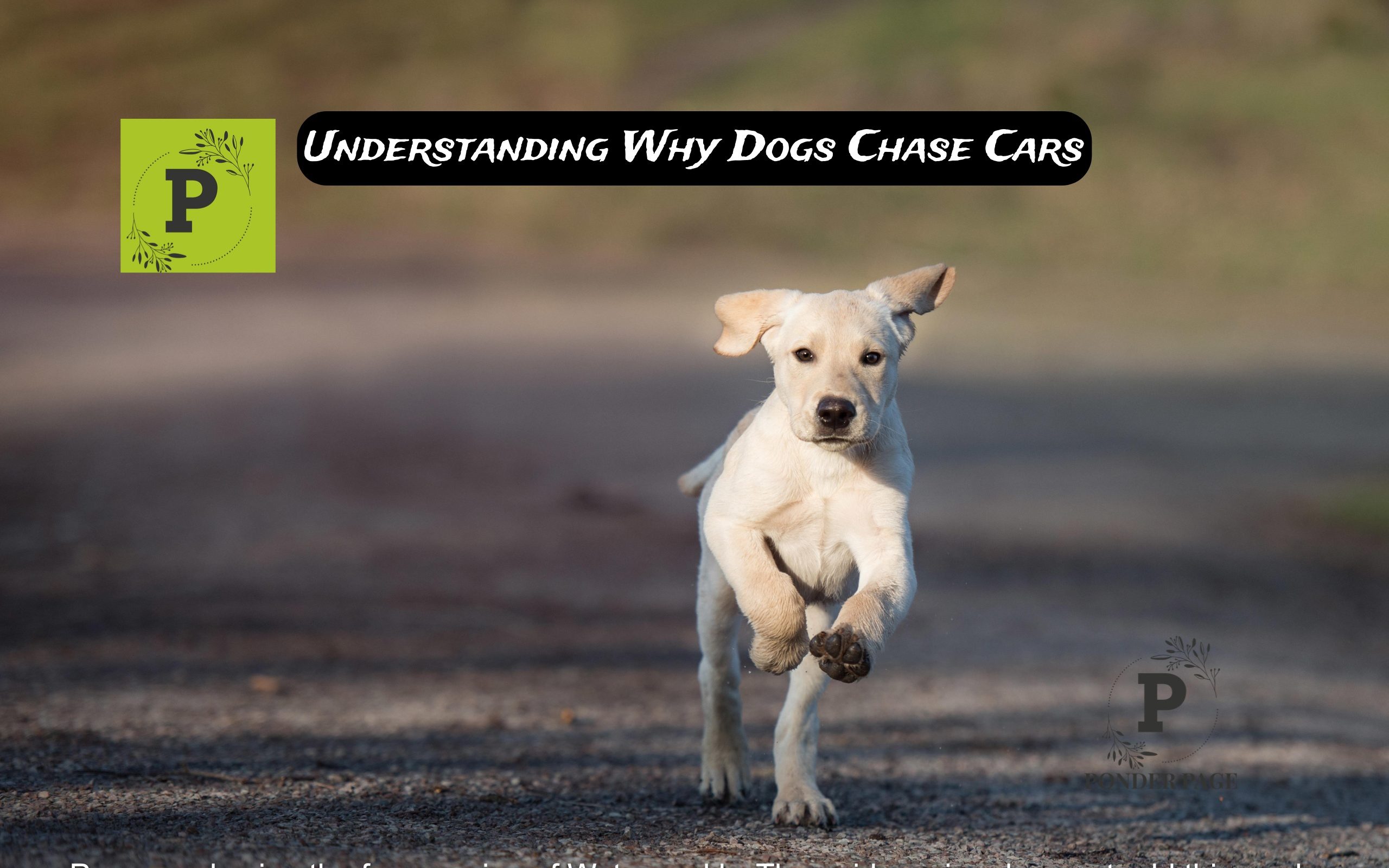
Understanding Why Dogs Chase Cars: Dogs are fascinating creatures, filled with quirks and behaviors that sometimes leave us puzzled. One such behavior is their tendency to chase after moving vehicles, whether it be cars, bicycles, or trucks. This behavior often raises concerns among dog owners and bystanders alike. In this article, we delve into the reasons behind why dogs engage in this seemingly dangerous activity.
(You can now subscribe to our Ponder Page WhatsApp channel)

Table of Contents
Instinctual Behavior
Dogs, as descendants of wolves, have retained many of their ancestors’ instincts, including the urge to chase moving objects. Wolves hunt in packs and chase down prey, and this behavior has translated into the domestic dog’s psyche. When a car speeds by, it triggers their instinctual response to give chase, akin to pursuing prey.
-
 Ceasefire Politics and Rise of Pakistan as a Global Mediator
 -
 From Protest to Turning Point: The Story of Jallianwala Bagh and Its Aftermath
 -
 The Roots of the India China Border in Ladakh
 -
 The Origins of the Indian National Congress: A Turning Point in Colonial India
 -
 The Evolution of Money: Life Before Currency
Curiosity
Dogs are naturally curious creatures. The sight and sound of a moving vehicle pique their interest, prompting them to investigate further. This curiosity, coupled with their desire to explore their environment, can lead them to chase after cars out of sheer inquisitiveness.
Playfulness
Dogs love to play, and chasing after cars might be perceived as a form of play for them. They may see the vehicle as a moving target to chase, akin to playing fetch with a ball. This playfulness, combined with their boundless energy, drives them to run behind cars in an attempt to engage in a game.

Territorial Instincts
Dogs are territorial animals and often perceive vehicles passing through their territory as intruders. In an attempt to protect their territory and assert dominance, they may give chase to the perceived trespasser. This behavior is more common in dogs with a strong guarding instinct or breeds that are inherently territorial.
Lack of Proper Socialization
Dogs that have not been adequately socialized from a young age may exhibit fear or anxiety towards unfamiliar stimuli, such as moving vehicles. In their attempt to cope with the perceived threat, they may resort to chasing after the source of their fear as a means of defense or escape.
Reinforcement
In some cases, dogs may learn to chase cars through reinforcement. If a dog receives attention or a sense of accomplishment from chasing cars, they may continue the behavior in hopes of replicating the positive outcome. Similarly, if they successfully chase away a vehicle that they perceive as a threat, they may interpret this as a successful defense of their territory.
Lack of Mental Stimulation
Dogs require mental stimulation to keep them engaged and prevent boredom. In the absence of sufficient mental stimulation, they may resort to chasing after cars as a way to alleviate boredom and expend excess energy. Providing ample opportunities for mental enrichment and physical exercise can help mitigate this behavior.


Understanding Why Dogs Chase Cars: Conclusion
While it’s concerning to witness a dog chasing a car, comprehending the motivations behind this behavior is crucial. Whether it stems from instinct, curiosity, playfulness, territoriality, socialization deficits, reinforcement, or boredom, there are strategies to tackle it effectively. Through appropriate training, socialization, mental enrichment, and supervision, owners can mitigate their dog’s propensity to chase cars, promoting their safety and overall welfare.
It’s imperative to address this behavior promptly, as it poses risks not only to the dog but also to pedestrians and drivers. By understanding and addressing the root causes, owners can foster a safer and more harmonious relationship between their dog and the environment.
If you enjoyed this blog post, be sure to subscribe for more engaging content in the future! Stay updated on the latest developments and discussions by clicking the subscribe button above. Thank you for your support!





Leave a Reply