
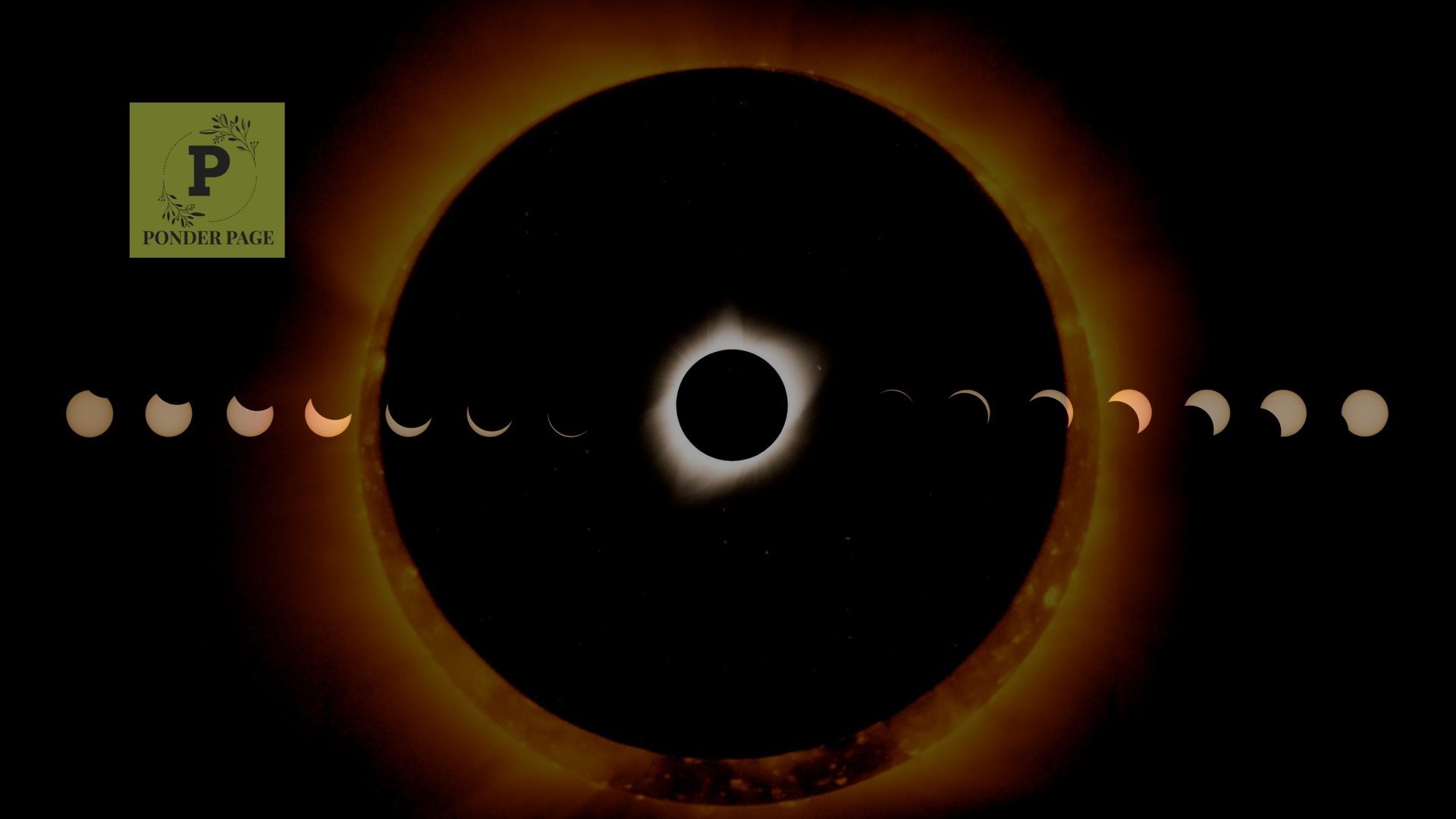
Understanding Solar Eclipses: Solar eclipses have fascinated humanity for millennia, captivating astronomers, scientists, and laypeople alike. This celestial event occurs when the moon passes between the sun and the Earth, casting a shadow on our planet. In this blog, we embark on a journey to unravel the mysteries surrounding solar eclipses, exploring their types, significance, and the awe-inspiring spectacle they offer to observers.
Table of Contents
What is a Solar Eclipse?
Here is the lowdown on solar eclipses. When the moon decides to get all cozy in its orbit around Earth and lines up just right with the sun, it throws shade on certain parts of our planet. That means for a little while, we are either getting a dimming effect or the sun is totally hidden. And let us tell you, it’s like nature putting on its own epic light show up there in the sky.

Types of Solar Eclipses
Solar eclipses come in three main types, each offering a unique viewing experience:
Total Solar Eclipse
In a total solar eclipse, the moon completely covers the sun, plunging the area beneath its shadow into darkness. This rare phenomenon allows observers within the path of totality to witness the sun’s corona, the outer atmosphere, glowing around the edges of the moon.
Partial Solar Eclipse
A partial solar eclipse occurs when only a portion of the sun is obscured by the moon, resulting in a crescent-shaped sun. This type of eclipse is visible over a broader geographical area than a total eclipse, offering spectators a partial glimpse of the celestial spectacle.
Annular Solar Eclipse
An annular solar eclipse takes place when the moon is too far from Earth to completely cover the sun’s disk. As a result, a ring of sunlight, known as the “ring of fire,” encircles the silhouette of the moon. Annular eclipses present a unique visual spectacle, with the sun appearing as a brilliant ring against the darkened sky.

Mechanism of Solar Eclipses
Understanding the mechanism behind solar eclipses sheds light on this captivating celestial dance. It’s all about the alignment of the sun, Earth, and moon in what astronomers call the “syzygy” configuration. During a new moon phase, when the moon is positioned between the Earth and the sun, a solar eclipse can occur if the alignment is precise.
Path of Totality and Viewing Locations
The path of totality refers to the narrow strip of land where a total solar eclipse is visible. This path can vary with each eclipse, offering enthusiasts the opportunity to witness the event from different locations around the globe. Planning ahead and choosing the right viewing location within the path of totality is crucial for experiencing the full splendor of a total solar eclipse.

Safety Precautions for Eclipse Viewing
While solar eclipses provide a mesmerizing spectacle, it’s essential to prioritize safety when observing this natural phenomenon. Directly staring at the sun, even during an eclipse, can cause severe eye damage or blindness. Specialized solar viewing glasses or other solar filters are necessary to protect your eyes while witnessing the eclipse’s progression.
Cultural and Historical Significance
Solar eclipses have held profound cultural and historical significance across civilizations throughout history. From ancient myths and legends to scientific breakthroughs, these celestial events have inspired awe and wonder in humanity’s collective consciousness. Understanding the cultural and historical context adds depth to the appreciation of solar eclipses as both scientific phenomena and cultural artifacts.
Understanding Solar Eclipses: Conclusion
Solar eclipses stand as a testament to the intricate dance of celestial bodies and the wonders of the universe. As we gaze upon the darkened sky during these rare events, we are reminded of our place in the cosmos and the beauty that surrounds us. By understanding the mechanics, significance, and safety measures associated with solar eclipses, we can fully immerse ourselves in the awe-inspiring spectacle they offer, enriching our lives with a deeper appreciation for the mysteries of the cosmos.
Subscribe
If you enjoyed this blog post, be sure to subscribe for more engaging content in the future! Stay updated on the latest developments and discussions by clicking the subscribe button above. Thank you for your support!




Leave a Reply