
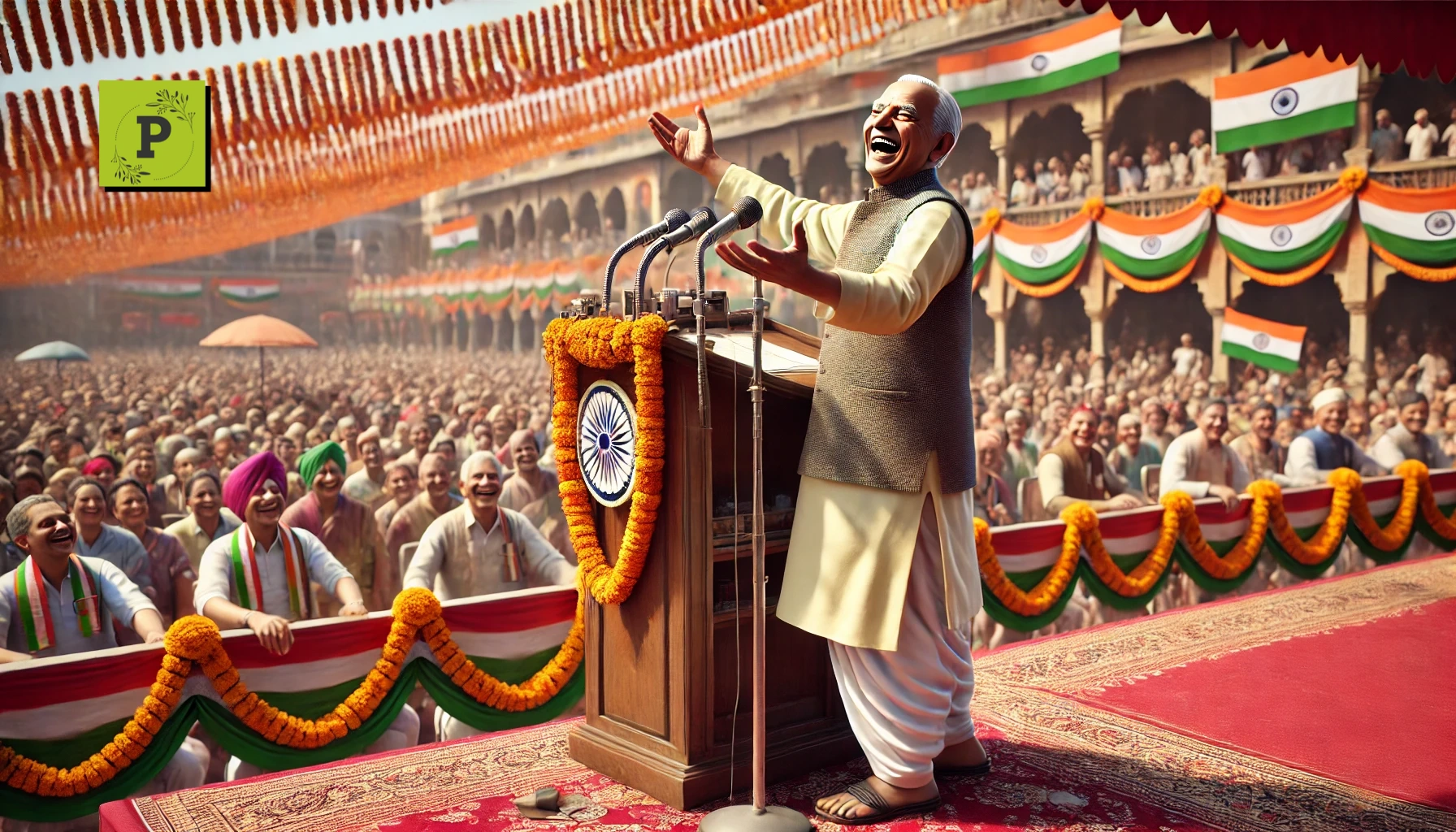
The Decline of Political Ethics in India: Indian politics, with its long and storied history, has often been celebrated for its ability to adapt and thrive in one of the world’s most diverse nations. However, in recent years, it has become apparent that political ethics and discourse have reached unprecedented lows, leaving citizens disillusioned and questioning the integrity of democratic institutions. This post delves deeply into the factors contributing to this decline, their ramifications, and possible solutions to reclaim the democratic ethos.
(You can now subscribe to our Ponder Page WhatsApp channel)

Table of Contents
The Rise of Polarization and Divisive Politics
One of the most glaring indicators of the decline in Indian politics is the increasing reliance on divisive strategies. Politicians and political parties often exploit religious, caste, and regional differences to garner votes, thereby deepening societal divides. This strategy not only polarizes communities but also undermines the secular fabric of the nation.
Election campaigns, once a platform for presenting developmental agendas, have now become battlegrounds for personal attacks, hate speech, and inflammatory remarks.
Statements targeting communities, glorifying historical wrongs, or demonizing political opponents have become the norm. These actions not only erode public trust but also foster a culture of hatred and intolerance, threatening the very foundations of democracy.
The Role of Media in Amplifying the Decline
The media, often referred to as the fourth pillar of democracy, has played a dual role in shaping political discourse. Unfortunately, the rise of sensationalism and partisan reporting has significantly amplified the degradation of political ethics.

Many media houses have become overtly aligned with specific political ideologies, prioritizing TRPs over truth. Sensational debates, biased coverage, and a focus on trivial controversies overshadow critical issues like poverty, healthcare, and education. The increasing influence of social media has further exacerbated the problem, with platforms becoming breeding grounds for fake news, propaganda, and trolling. The lack of regulation and accountability on these platforms allows for unchecked dissemination of misinformation, further polarizing the populace.
Corruption and Lack of Accountability
Corruption has long been a bane of Indian politics, but its persistence and evolution into more sophisticated forms continue to undermine public institutions. Scandals involving embezzlement, misuse of power, and nepotism frequently come to light, yet accountability remains elusive. High-profile cases often drag on for years, with little to no resolution, fostering a sense of impunity among the political elite.

The opaque nature of political funding further compounds this issue. Despite attempts to introduce reforms, mechanisms like electoral bonds have raised concerns about the lack of transparency and the potential for corporate influence on policy decisions. This creates a vicious cycle where money and power overshadow the democratic mandate.

The Decline in Parliamentary Standards
Parliament and state legislatures, the cornerstone of India’s democracy, have also witnessed a decline in decorum and efficacy. Instances of unruly conduct, walkouts, and disruptions during sessions have become alarmingly routine. Such behavior not only hinders productive debates but also wastes taxpayers’ money, as critical legislative time is squandered.
Furthermore, the trend of passing bills without adequate debate or scrutiny has led to poorly designed laws that fail to address the complexities of real-world problems. The lack of bipartisan collaboration and meaningful discussion on national priorities has reduced legislative bodies to arenas of political posturing rather than constructive policymaking.
The Neglect of Grassroots Development
Another troubling trend is the growing disconnect between politicians and the electorate. While political leaders often make grand promises during campaigns, the implementation of these promises remains patchy at best. Basic infrastructure and services, especially in rural areas, are frequently neglected, exacerbating inequalities and regional disparities.
Instead of addressing pressing issues like unemployment, access to clean water, and healthcare, many leaders prioritize headline-grabbing mega-projects that offer little immediate benefit to marginalized communities. This urban-centric approach not only alienates a significant portion of the population but also undermines the core democratic principle of equitable development.
The Weaponization of Institutions
The politicization of institutions such as the judiciary, election commission, and law enforcement agencies has raised serious concerns about the erosion of democratic checks and balances. These bodies are meant to function independently and uphold the rule of law, but their increasing susceptibility to political influence undermines their credibility.

Selective investigations, the misuse of enforcement agencies to target political opponents, and biased decisions have become alarmingly common. This trend not only weakens institutional integrity but also paves the way for authoritarian tendencies, threatening the democratic fabric of the nation.
The Psychological Impact on Citizens
The deterioration of political ethics has a profound psychological impact on citizens. Constant exposure to divisive rhetoric, corruption scandals, and institutional failures fosters cynicism and apathy. Many citizens, especially the youth, are disillusioned with the political system, perceiving it as inherently corrupt and incapable of addressing their aspirations.
This growing disillusionment can have long-term consequences, including lower voter turnout, reduced civic engagement, and a decline in public trust in democratic institutions. Rebuilding this trust requires a concerted effort to restore ethical governance and accountability.
The Way Forward: Reclaiming Ethical Politics
While the decline in Indian politics is evident, it is not irreversible. Citizens, civil society, and honest leaders must come together to demand accountability and ethical governance. Some steps to consider include:
Promoting Electoral Reforms: Strengthening laws around political funding, disqualifying candidates with criminal records, and ensuring free and fair elections are crucial to restoring public trust. Introducing mandatory debates among candidates can also promote issue-based discourse.
Encouraging Civic Engagement: An informed and active electorate can hold politicians accountable. Public pressure through peaceful protests, petitions, and awareness campaigns can compel leaders to prioritize issues over rhetoric. Educational programs on civic responsibilities should be integrated into school curricula to foster political awareness from a young age.
Strengthening Institutions: Safeguarding the independence of democratic institutions is essential for maintaining checks and balances. Transparent and merit-based appointments, along with strict anti-corruption measures, can help rebuild trust. Whistleblower protection laws should be strengthened to encourage reporting of malpractice.
Fostering Media Responsibility: The media must uphold journalistic ethics and focus on fact-based reporting. Regulatory bodies should ensure accountability without stifling freedom of expression. Encouraging independent journalism and public funding for unbiased reporting can help counteract the influence of corporate and political interests.
Emphasizing Education and Awareness: Educating citizens about their rights and responsibilities in a democracy can empower them to make informed choices and reject divisive politics. Public awareness campaigns should focus on debunking fake news and promoting critical thinking.
Encouraging Grassroots Leadership: Promoting leaders who emerge from grassroots movements can bridge the gap between policymakers and citizens. These leaders are often more attuned to the needs of local communities and can advocate for policies that address real issues.


The Decline of Political Ethics in India: Analyzing the Downfall
The decline in Indian politics is a reflection of deeper systemic issues that need urgent attention. While the challenges are significant, they are not insurmountable. By fostering a culture of accountability, inclusivity, and ethical governance, India can reclaim the spirit of its democracy and ensure a brighter future for all its citizens. The responsibility lies not only with politicians but with every individual committed to the nation’s progress. Active participation, awareness, and vigilance are the keys to reversing this decline and building a more robust and ethical political landscape.
What are your thoughts on this article? Let us know in the comments below.
If you enjoyed this article, be sure to subscribe for more engaging content in the future! Stay updated on the latest developments and discussions by clicking the subscribe button above. Thank you for your support!
📢 Dive into the latest discussions on social & trending topics! 🌍💬 Subscribe to Ponder Page for thought-provoking articles and interviews that dissect current issues. Don’t miss out on insightful content—hit that like & subscribe button now!




Leave a Reply