

The Crisis of Indian News Media: In the bustling metropolises of Mumbai, Delhi, and Bangalore, even an hour of rainfall garners hours of media coverage. However, the plight of small villages submerged in water often goes unnoticed. This disparity in media attention reveals a deeper issue within India’s news media landscape.
The country’s largest newspaper, The Times of India, had a revenue of ₹10,000 crores in 2018 but a profit of only ₹681 crores. This meager profit margin for such a significant publication is alarming. Remarkably, even a company manufacturing light bulbs can earn more. This precarious financial state makes it easy for politicians and businesses to control media narratives.
(You can now subscribe to our Ponder Page WhatsApp channel)

Table of Contents
The Struggle of Print Media
Despite its financial challenges, newspapers manage to fare better than television news channels. When you check the monthly subscription rates for news channels on your TV service provider’s website, you will find that over half of them are free, and the rest charge a nominal fee of ₹1 to ₹2 per month. In stark contrast, sports and entertainment channels charge between ₹10 and ₹30 monthly. This disparity affects viewership and, consequently, revenue.
To maintain good viewership traffic, many news channels resort to sensationalism and coverage of trivial matters, such as ghost stories and scandals, just to keep the advertisements flowing. Unlike India, foreign news channels generate 70% of their revenue from subscriptions, reducing their reliance on advertisements. They also produce high-quality documentaries and content to ensure value for their subscribers. For instance, the production cost of a single season of House of Cards is around ₹30 crores, while an episode of Bigg Boss costs about ₹4 crores yet attracts more viewership.
-
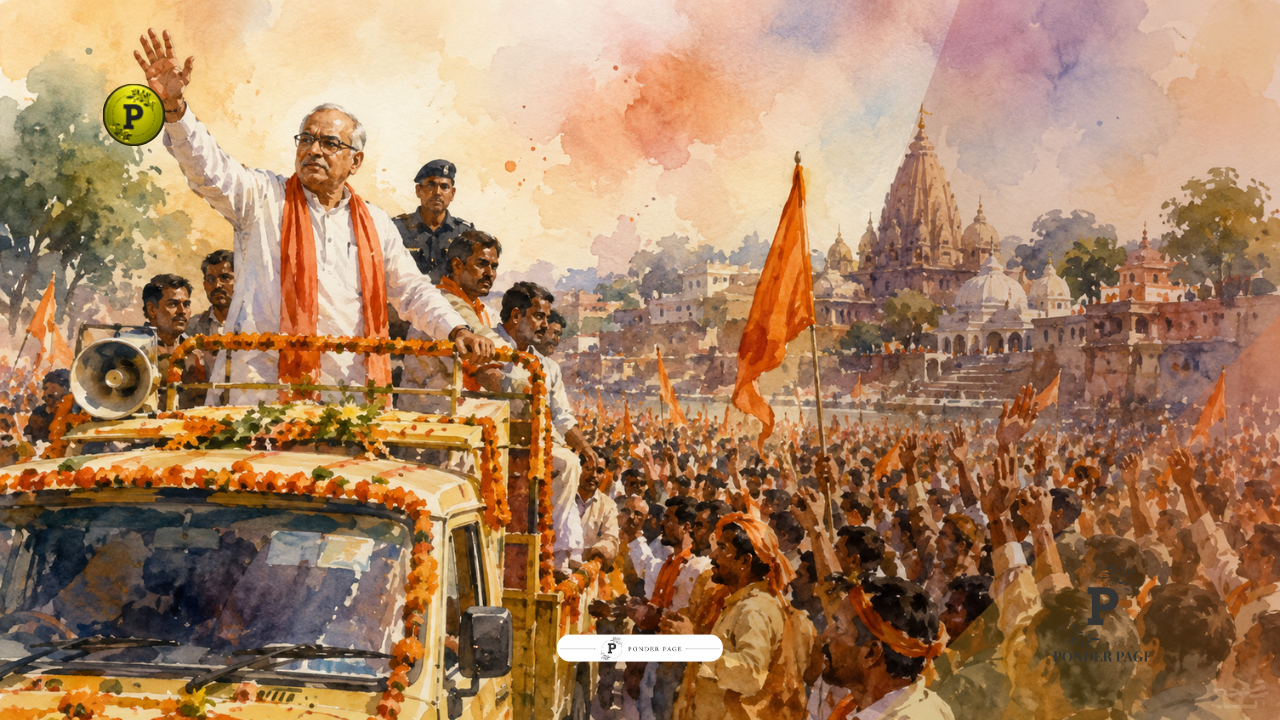
 The Rath Yatra of 1990: Advani, Ayodhya and the Turning Point in Indian Politics
 -
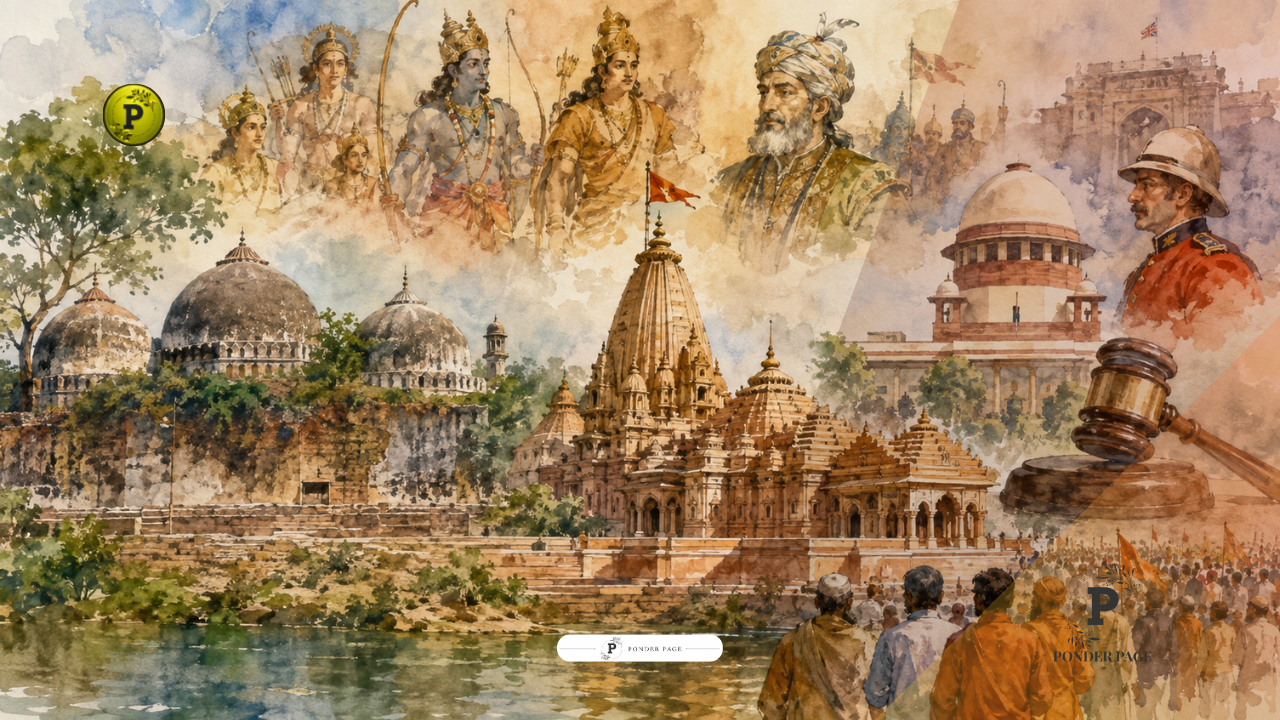
 The Ram Janmabhoomi Dispute: The Long History Behind India’s Most Contentious Land Dispute
 -
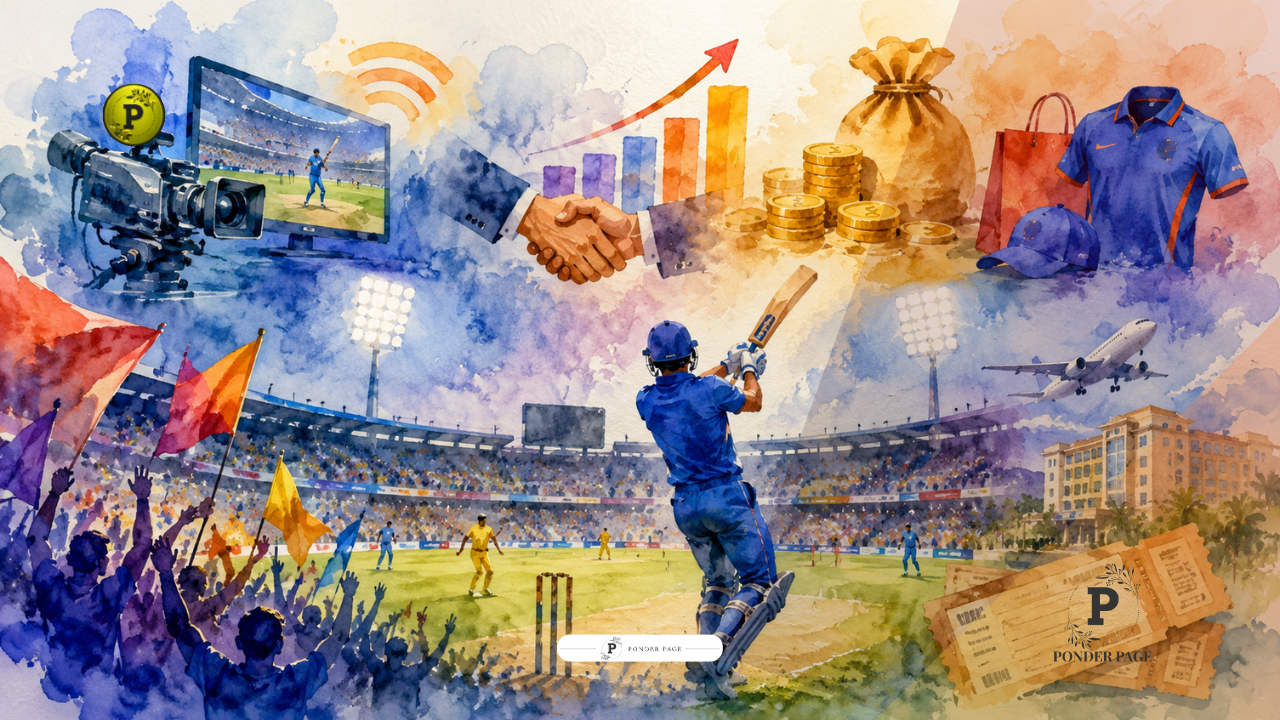
 How IPL Teams Actually Make Money: The Business Model Behind the World’s Biggest Cricket League
 -
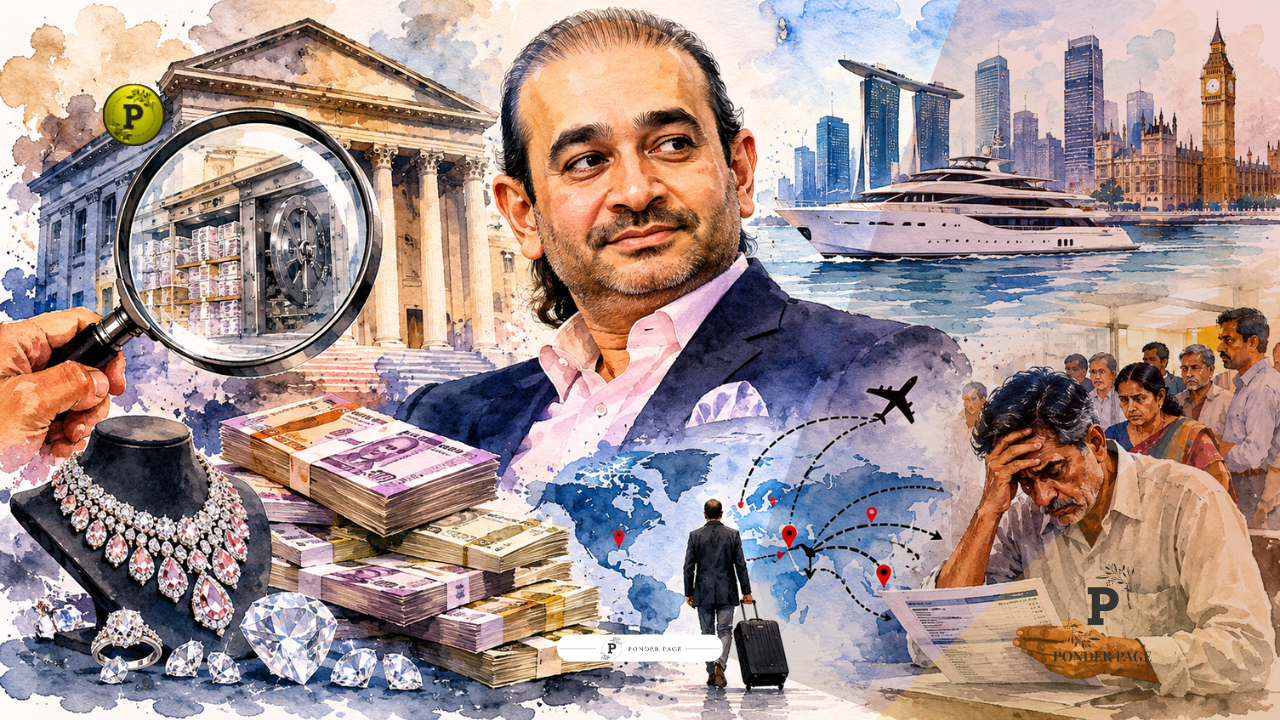
 Nirav Modi Scam Explained: How the PNB Fraud Worked and How a Billionaire Empire Collapsed
 -
 How Bernard Arnault Took Control of Louis Vuitton and Built a Luxury Empire
Advertising Dependency and Government Influence
Advertising is crucial for the survival of both newspapers and television channels in India. The largest advertiser in the country is the Central and State governments. Government advertising includes promotions for various schemes, offers, departments, and projects. This encompasses advertisements from public sector banks, life insurance corporations, tourism boards, railways, and industrial and mining companies.

Political parties’ advertisements during elections are separate from these government advertising. For instance, during the 2019 Lok Sabha elections, the government spent over ₹60,000 crores on advertisements to promote various schemes. During the 2024 Elections, it is expected to be even higher. When a political party comes to power, it controls which media outlets receive government advertising. Consequently, media organizations often avoid publishing negative reports about the government to secure advertisements.
The Crisis of Indian News Media
In 2019, during the Lok Sabha elections, The Hindu ran a series on irregularities in the Rafale deal, and Times of India published stories on Prime Minister Modi’s violation of the Model Code of Conduct. Following the election, the newly elected government cut off advertisements to these publications.
Congress leader Adhir Ranjan Chowdhury claimed in Parliament that the BJP government deliberately stopped advertisements to media outlets that published negative reports about them. He mentioned that Times of India’s MD had to make multiple visits to the Prime Minister’s Office to restore their advertisements.

Historical and Regional Precedents
The Congress party, during its tenure, also engaged in similar practices. Between 2010 and 2014, the Congress government spent ₹2048 crores on advertisements, with ₹1318 crores on print media and ₹730 crores on television. Most of these advertisements went to media outlets that did not openly criticize the government.
The Aam Aadmi Party (AAP) is no different. In Punjab, when Ajit Samachar started reporting on AAP’s unfulfilled manifesto promises, the government stopped their display and tender advertisements. This led to financial difficulties for the newspaper.
The AAP’s Delhi government, too, is known for such tactics. They launched a bio-decomposer project, spending ₹68 lakhs on its implementation from 2020 to 2022, but allocated ₹23 crores for its advertisements. This shows a clear trend where governments use advertisements as leverage to control media narratives. PP


The Crisis of Indian News Media: Struggling for Survival
The financial dependency of Indian media on government advertisements poses a severe threat to journalistic independence. Media outlets are often compelled to toe the government line to secure advertisements, compromising their role as watchdogs of democracy. This symbiotic relationship between media and government is detrimental to the health of Indian democracy.

As long as this dependency persists, the media’s ability to report freely and fairly will remain compromised. The need of the hour is to explore alternative revenue models for media organizations that can ensure their financial independence and uphold the true spirit of journalism.
What are your thoughts on this? Let us know in the comments below.
If you enjoyed this blog post ‘The Crisis of Indian News Media’, be sure to subscribe for more engaging content in the future! Stay updated on the latest developments and discussions by clicking the subscribe button above. Thank you for your support!


Leave a Reply