
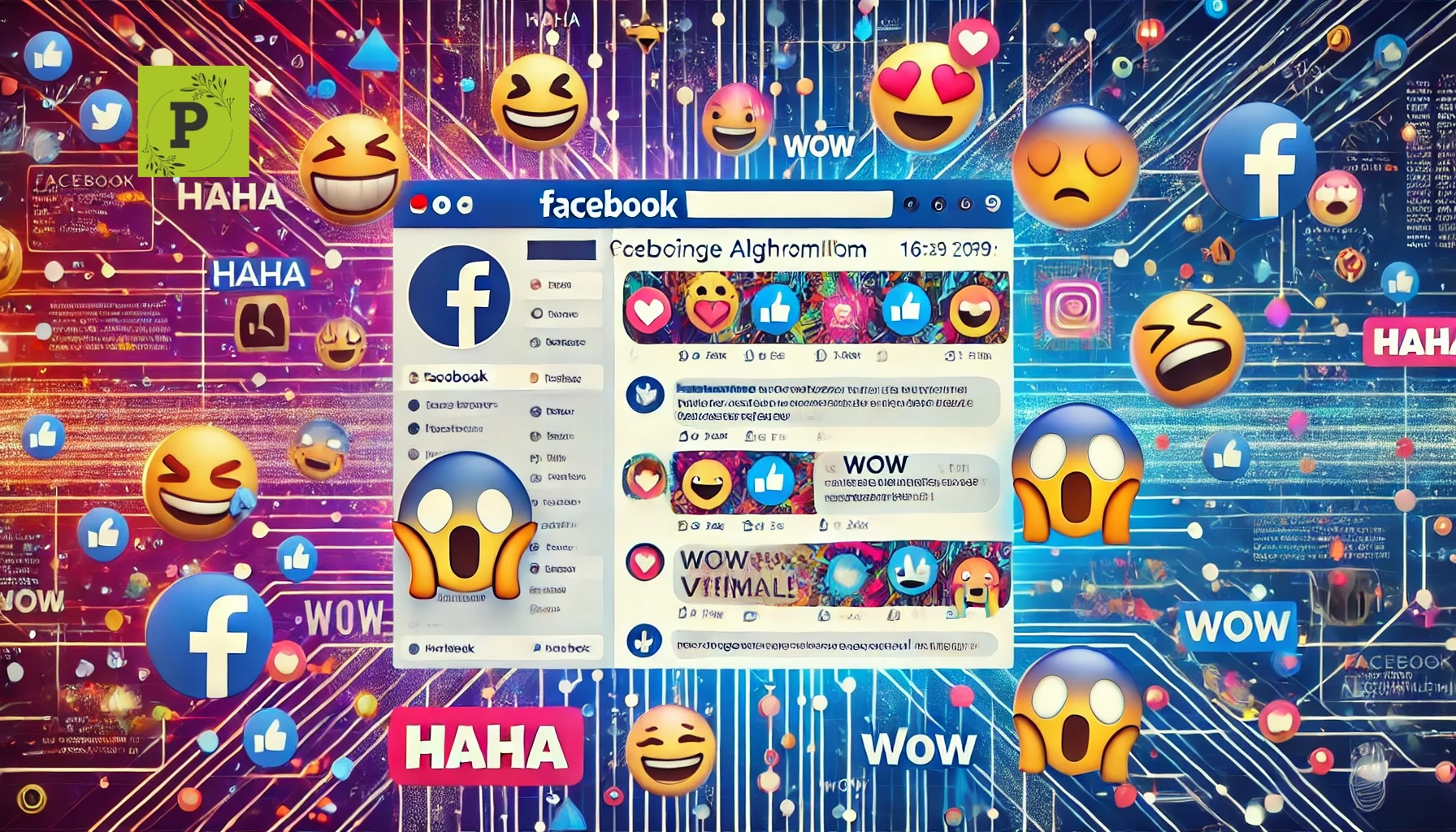
Social Media and its Cringe Content Formula: In the dynamic world of social media, Facebook’s algorithms play a pivotal role in shaping the content we see. Among its many mechanisms, the so-called “cringe algorithm” has become a topic of intrigue. This algorithm, while not officially named or acknowledged by Facebook, describes the way certain embarrassing, awkward, or overtly attention-seeking posts gain visibility and virality. But how does this phenomenon occur, and why does it seem so effective?
(You can now subscribe to our Ponder Page WhatsApp channel)

Table of Contents
What is the Cringe Algorithm?
The “cringe algorithm” is an informal term that refers to the way content deemed cringeworthy garners disproportionate attention on Facebook. This includes posts that are awkward, overly dramatic, unintentionally funny, vulgar, or just plain embarrassing. Such posts often evoke a secondhand embarrassment or a mix of amusement and discomfort. While Facebook’s official algorithms are designed to enhance user engagement, the way people interact with cringe content inadvertently pushes it to the forefront of feeds.
The Core Mechanisms of Facebook Algorithms
To understand the “cringe algorithm,” it is essential to first grasp the foundational principles behind Facebook’s content delivery system:
- Engagement-Based Prioritization: Facebook prioritizes posts based on user interactions. Likes, comments, shares, and reactions play a significant role in determining how widely a post is disseminated.
- Content Virality: Posts that receive rapid engagement in a short time are flagged as potentially “trending” and shown to a broader audience.
- Reactions Matter: Facebook doesn’t just look at the number of reactions but also considers the type of reactions. For instance, the “Wow” or “Haha” reactions signal heightened emotional responses, making the content more likely to appear in others’ feeds.
- Human Curiosity: Facebook leverages human tendencies, like curiosity and the desire to connect, to push emotionally charged or relatable content, even if it’s awkward or uncomfortable.
Why Cringe Content Thrives
1. The Power of Emotional Engagement
Cringe content typically evokes strong emotions—be it laughter, pity, or even secondhand embarrassment. Such reactions encourage users to comment, share, or tag friends, signaling Facebook’s algorithm to amplify the post’s reach.
2. Social Commentary
Posts that make people cringe often become subjects of mockery or critique. Users tend to leave comments expressing their opinions, which creates a virtual snowball effect. Even negative attention contributes to the content’s virality.
3. Tag Culture
A significant driver of cringe content’s popularity is the practice of tagging friends. People frequently tag their friends on such posts, either to share a laugh or to draw parallels between the post and someone they know. This tagging adds more fuel to the algorithm’s prioritization.
4. Schadenfreude Effect
Humans have a tendency to take pleasure in others’ misfortunes or awkwardness, a concept known as schadenfreude. Cringe content taps into this psychological phenomenon, keeping users engaged.
The Algorithm’s Feedback Loop
Once a cringe-worthy post begins to gain traction, Facebook’s algorithm ensures it reaches even more users through the following processes:

- Engagement Boost: The initial reactions act as a trigger for the algorithm to showcase the post to a wider audience.
- Cross-Network Sharing: Viral cringe posts often transcend Facebook, finding their way to other platforms like Instagram, Twitter, or TikTok. This inter-platform sharing increases the original post’s visibility.
- Comment Wars: Cringe posts often spark debates, further amplifying engagement. Whether users are defending or mocking the content, their interactions help push the post higher on feeds.
Examples of Cringe Content
Cringe-worthy posts often fall into one of the following categories:
- Overly Dramatic Posts: Public displays of private matters or exaggerated reactions to minor events.
- Failed Attempts at Humor: Posts where the humor is forced, awkward, or unintentionally funny.
- Attention-Seeking Behavior: Posts blatantly fishing for validation or sympathy.
- Nostalgic Cringe: Throwback posts featuring outdated fashion, awkward teenage phases, or old internet memes that resurface unexpectedly.
The Dark Side of Cringe Algorithms
While it can be amusing to see cringe-worthy content in your feed, there are drawbacks to this phenomenon:
- Encouraging Negative Behavior: Some users may deliberately post cringe content to gain attention, fostering a culture of sensationalism over authenticity.
- Bullying and Harassment: Viral cringe posts can expose individuals to online ridicule, leading to potential mental health issues.
- Algorithmic Bias: By prioritizing cringe-worthy or overly emotional content, Facebook’s algorithm may overshadow more meaningful or informative posts.
Tips to Avoid Falling Prey to the Cringe Algorithm
If you wish to maintain a balanced online presence, here are a few tips:
- Think Before You Post: Reflect on whether your content might be perceived as overly dramatic or attention-seeking.
- Engage Authentically: Focus on meaningful interactions rather than chasing likes or reactions.
- Monitor Privacy Settings: Use Facebook’s privacy controls to limit the audience for your posts, especially those that could be misinterpreted.


Social Media and its Cringe Content Formula: The Cringe Algorithm on Facebook
The so-called cringe algorithm on Facebook exemplifies how social media platforms leverage human psychology to drive engagement. While it’s fascinating to see how such content gains traction, it’s essential to remain mindful of its broader implications. Whether you’re laughing at a cringeworthy post or cringing yourself, remember that every interaction fuels the algorithm, ensuring that similar content keeps appearing in your feed.
What are your thoughts on this article? Let us know in the comments below.
If you enjoyed this article, be sure to subscribe for more engaging content in the future! Stay updated on the latest developments and discussions by clicking the subscribe button above. Thank you for your support!
📢 Dive into the latest discussions on social & trending topics! 🌍💬 Subscribe to Ponder Page for thought-provoking articles and interviews that dissect current issues. Don’t miss out on insightful content—hit that like & subscribe button now!





Leave a Reply