
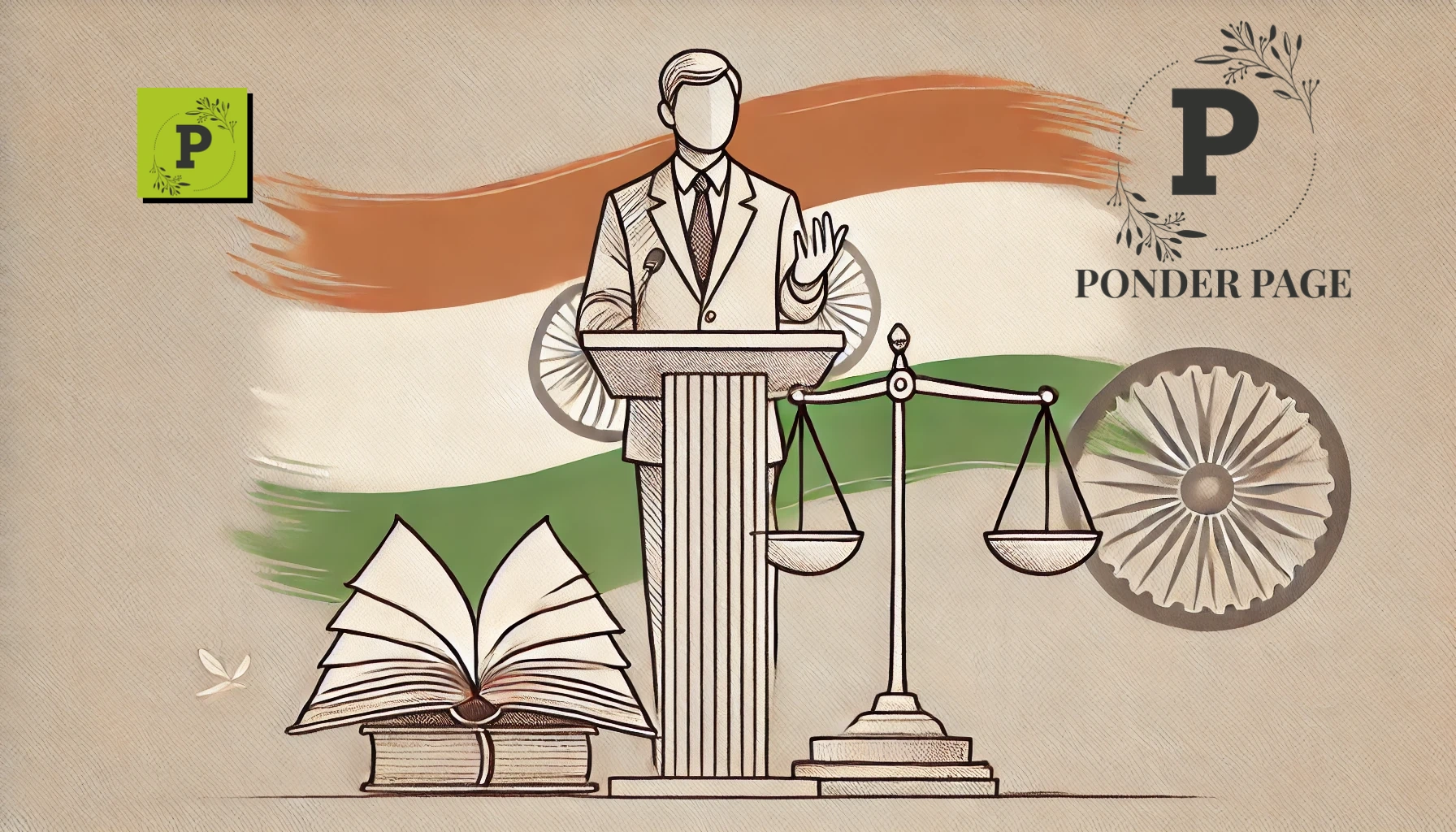
Should Indian Politicians Need Minimum Education? In a democracy like India, where the power of governance lies in the hands of the people’s representatives, the question of setting minimum educational qualifications for politicians is a topic of intense debate. While education is often considered a cornerstone for effective leadership and decision-making, the idea of mandating educational qualifications for political leaders is layered with complexities unique to India’s socio-economic and cultural fabric. This post delves into the various dimensions of this debate, weighing the arguments for and against such a mandate and exploring its potential implications.
(You can now subscribe to our Ponder Page WhatsApp channel)

Table of Contents
The Role of Politicians in a Democracy
Politicians play a pivotal role in shaping policies, implementing laws, and ensuring the welfare of the citizens. They are entrusted with decisions that impact various facets of society, including education, healthcare, economy, and infrastructure. Given the breadth and depth of responsibilities shouldered by politicians, it is reasonable to expect them to possess a certain level of competence and knowledge to navigate these challenges effectively. However, the qualifications needed to excel in politics are not limited to academic credentials. Traits such as empathy, vision, leadership skills, and the ability to connect with people are equally critical. This duality raises the question: Does formal education necessarily translate into better governance, or are there other attributes that matter more?
Arguments in Favor of Minimum Educational Qualifications
Education equips individuals with analytical and critical thinking skills, enabling them to make informed decisions. Politicians with a sound educational background may be better prepared to understand complex issues, draft policies, and engage in meaningful debates.
Educated leaders are more likely to represent the aspirations of an increasingly literate and aware electorate. They can bridge the gap between the government and the people by articulating and addressing issues effectively.
An educated politician may be less susceptible to corruption and malpractices, as education often instills ethical values and a sense of accountability. While education alone cannot eliminate corruption, it can contribute to fostering a culture of transparency and integrity. Politicians are seen as role models in society.
Setting a minimum educational qualification can inspire younger generations to value education and view it as a stepping stone to leadership roles. Many developed nations have a political class that is highly educated. Adopting similar standards in India can enhance the global perception of Indian politicians and strengthen international collaborations.

Arguments Against Minimum Educational Qualifications
Democracy thrives on inclusivity and equal opportunity. Imposing educational qualifications could exclude a significant portion of the population, especially those from marginalized and underprivileged backgrounds, who may lack formal education but possess grassroots wisdom and leadership qualities.
Formal education is not the sole determinant of competence. There are numerous examples of leaders worldwide who, despite limited formal education, have made remarkable contributions through their vision, charisma, and ability to connect with people.
India’s socio-economic diversity means that access to education is not uniform. Mandating educational qualifications could disproportionately disadvantage rural and economically weaker sections, perpetuating existing inequalities.
Setting educational criteria could lead to the dominance of an elite class in politics, alienating the majority and undermining the spirit of grassroots representation. The real challenges in governance often lie in understanding and addressing ground realities rather than in academic knowledge. Politicians with lived experiences and practical insights may bring more value than those with formal degrees.
The Current Scenario in India
India’s political landscape is diverse, with leaders from varying educational backgrounds. While some politicians hold advanced degrees from prestigious institutions, others have risen to power through grassroots movements and public service.
Notably, there is no constitutional mandate for minimum educational qualifications for elected representatives in India. Interestingly, certain states like Haryana and Rajasthan have attempted to introduce educational qualifications for candidates contesting local body elections. These moves sparked debates, with critics arguing that such measures exclude large sections of the population and are contrary to democratic principles.
Striking a Balance: The Way Forward
Rather than imposing rigid educational qualifications, a more balanced approach could involve the following.
Regular training and workshops for politicians can equip them with the necessary skills and knowledge to perform their duties effectively. These programs could cover areas such as public administration, economic policies, and legal frameworks.
Political parties should prioritize merit and competence while selecting candidates, ensuring that individuals with a genuine commitment to public service are given opportunities.
Encouraging grassroots leaders to pursue education and providing them with resources and mentorship can create a pool of well-rounded leaders over time. Voters should be encouraged to consider candidates’ qualifications, experience, and track record while making electoral choices. An informed electorate can drive demand for capable leaders.


Should Indian Politicians Need Minimum Education? Balancing Education and Leadership in Indian Politics
The question of mandatory educational qualifications for politicians in India is complex and multifaceted. While education undoubtedly plays a role in shaping effective leaders, it is not the sole criterion for political competence. In a diverse and democratic country like India, the focus should be on creating an inclusive political environment that values both education and grassroots wisdom. Ultimately, the power lies in the hands of the electorate to choose leaders who best represent their aspirations and are committed to the nation’s progress. By fostering a culture of accountability, transparency, and continuous learning, India can pave the way for a more competent and visionary political leadership without compromising its democratic ethos.
What are your thoughts on this article? Let us know in the comments below. If you enjoyed this article, be sure to subscribe for more engaging content in the future! Stay updated on the latest developments and discussions by clicking the subscribe button above. Thank you for your support!
📢 Dive into the latest discussions on social & trending topics! 🌍💬 Subscribe to Ponder Page for thought-provoking articles and interviews that dissect current issues. Don’t miss out on insightful content—hit that like & subscribe button now!





Leave a Reply