
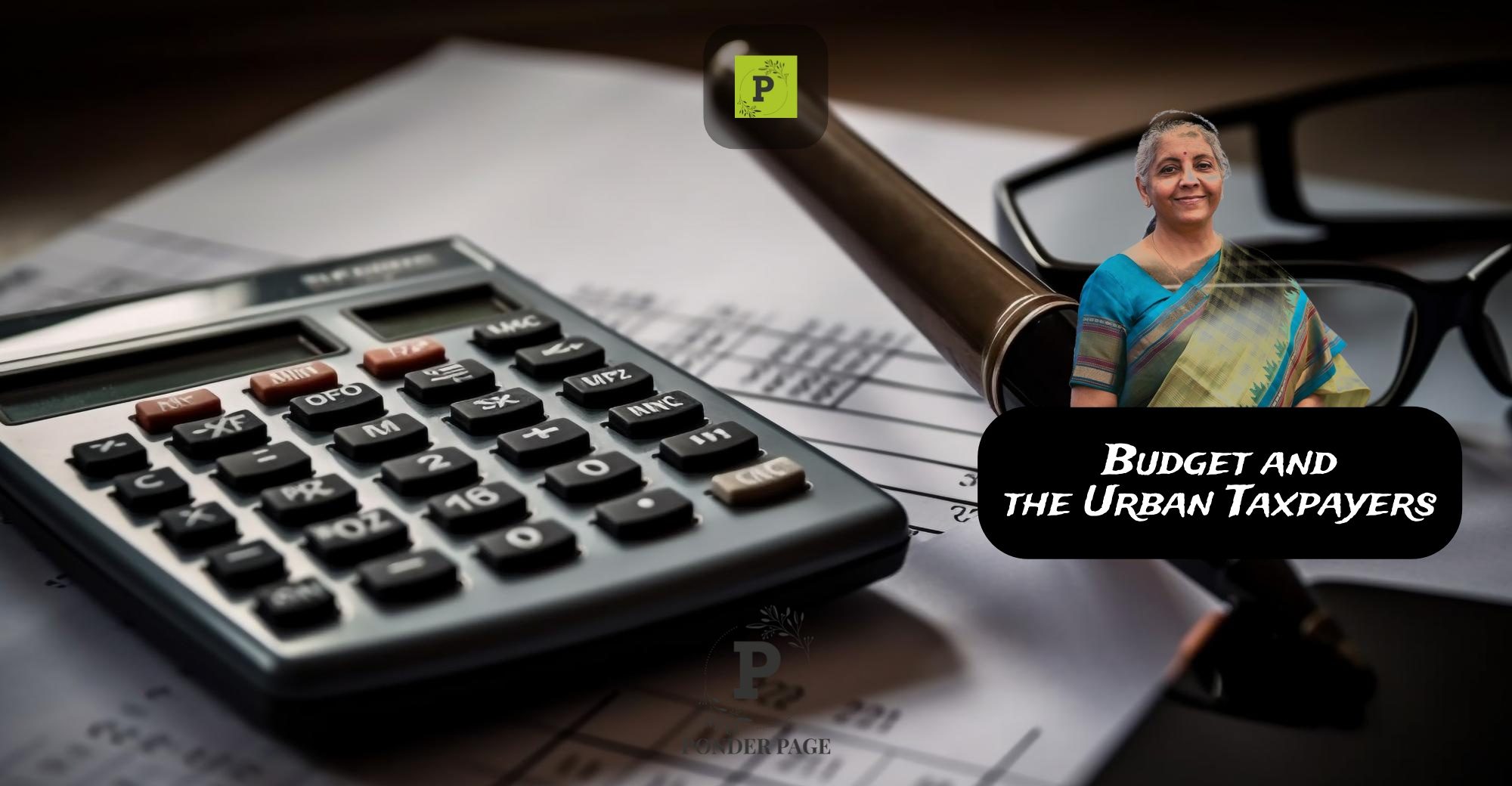
Impact of 2024 Budget on Urban Taxpayers: In the recent budget, the government’s decisions regarding taxation and expenditure have sparked widespread debate. The mood of the consumer plays a significant role in driving private consumption, but recent changes, especially in the taxation sector, have left many urban taxpayers feeling frustrated and dissatisfied. This article will delve into the reasons behind this discontent, exploring the economic context, the specific tax changes introduced, and the broader implications for India’s economy.
(You can now subscribe to our Ponder Page WhatsApp channel)

Table of Contents
The Importance of Consumer Sentiment
Consumer sentiment is a crucial factor in boosting private consumption. When people feel optimistic about their financial situation and future prospects, they are more likely to spend money, which in turn stimulates economic growth. However, the recent budget has dampened the mood of many consumers, particularly due to a lack of significant changes in income tax regulations and an increase in other forms of taxation, such as those affecting the stock market.

The Disappointment in Tax Changes
One of the key areas of disappointment for urban taxpayers is the minimal change in income tax regulations. Many had hoped for a reduction in income tax rates, which could have spurred private consumption by increasing disposable income. However, the only notable change was a modest increase in the standard deduction in the new tax regime, from ₹50,000 to ₹75,000. This change offers minimal relief, with a maximum benefit of ₹17,500 in income tax savings for salaried employees under the new regime.
In addition to this, changes in capital gains tax have further disillusioned investors. The short-term capital gains tax rate was increased from 15% to 20%, while the long-term capital gains tax rate was raised from 10% to 12.5%. These changes make investing in the stock market more expensive and less attractive, especially for retail investors. Moreover, the removal of the indexation benefit, which protected taxpayers from inflation when calculating capital gains, has added to the burden on property sellers and stock market investors.
The Broader Economic Context
To understand the implications of these budget decisions, it is essential to consider the broader economic context. The Indian economy is currently facing challenges, particularly in terms of consumption. Despite significant profits reported by companies, particularly those catering to wealthier consumers, overall consumer spending remains subdued. This stagnation in spending is primarily due to inadequate income growth among the broader population, which limits their purchasing power.
For instance, while companies which target higher-income customers, have seen a significant increase in sales, brands which cater to a more price-sensitive demographic, have experienced relatively modest growth. This disparity highlights the uneven distribution of wealth and spending power within the country. Additionally, companies are hesitant to invest their profits back into the economy due to concerns about insufficient consumer demand, which could affect their returns on investment.

The Role of Government in Boosting Consumption
Given these challenges, the government’s primary objective should be to stimulate domestic consumption. This can be achieved through two main strategies: encouraging those with disposable income to spend more and creating job opportunities for those currently unemployed or underemployed.
However, the budget’s approach to these issues has been met with criticism. The focus on minor tax reliefs, without addressing the structural issues in the economy, has left many urban taxpayers feeling neglected. Additionally, the lack of a clear vision for enhancing job creation and improving urban infrastructure has further compounded this frustration.
The Urban Taxpayer’s Perspective
Urban taxpayers are particularly aggrieved by the budget’s failure to address their concerns. They are not opposed to paying taxes but are frustrated by the lack of corresponding improvements in public services and infrastructure. The poor state of road infrastructure, public transport, air quality, and waste management in many Indian cities significantly diminishes the quality of life. This situation creates a perception that taxpayers are not receiving adequate returns for their contributions.
Moreover, the disparity in taxation between different sectors, such as the absence of taxes on agricultural income, exacerbates the feeling of unfairness. While the agricultural sector is a crucial part of the economy, the misuse of exemptions by wealthy individuals claiming agricultural income to avoid taxes is a growing concern. Experts suggest that introducing a tax on rich farmers, those owning more than 10 hectares of land, could be a more equitable approach.
Addressing the Criticism: A Need for Structural Reforms
While there is valid criticism of the budget, it is also important to acknowledge that the urban elite has historically benefited from India’s economic policies, particularly since the liberalization reforms of 1991. These policies have favored sectors like IT and services, leading to substantial income growth for urban professionals, while many in the manufacturing and rural sectors have not seen comparable benefits.
The recent budget did attempt to address some issues, such as job creation and infrastructure development. However, the measures announced, including incentives for companies to hire new employees and improve skill development, need to be more substantial and clearly defined. Additionally, the government’s focus on fiscal consolidation, while important, should not overshadow the need for immediate measures to boost consumption and job creation. PP


Impact of 2024 Budget on Urban Taxpayers: A Call for Balanced Economic Policies
In conclusion, the recent budget has highlighted several key challenges facing the Indian economy, particularly regarding consumer sentiment, taxation, and infrastructure development. While the government’s cautious approach towards fiscal consolidation is understandable, there is a pressing need for more bold and inclusive policies that address the concerns of urban taxpayers and stimulate broader economic growth.
As India moves forward, it is crucial for policymakers to strike a balance between maintaining fiscal discipline and implementing measures that enhance the quality of life for all citizens, improve urban governance, and create sustainable job opportunities. Only then can the country achieve a more equitable and prosperous economic future.
What are your thoughts on this article ‘Impact of 2024 Budget on Urban Taxpayers’? Let us know in the comments below.
If you enjoyed this article ‘Impact of 2024 Budget on Urban Taxpayers’, be sure to subscribe for more engaging content in the future! Stay updated on the latest developments and discussions by clicking the subscribe button above. Thank you for your support!
📢 Dive into the latest discussions on social & trending topics! 🌍💬 Subscribe to Ponder Page for thought-provoking articles and interviews that dissect current issues. Don’t miss out on insightful content—hit that like & subscribe button now!






Leave a Reply