

History Behind The Name INDIA: The partition of the Indian subcontinent in 1947 marked a significant moment in history, dividing the region into two independent nations: India and Pakistan. Amidst this historical event, a lesser-known controversy arose regarding the naming of these newly formed countries, particularly between Jawaharlal Nehru and Muhammad Ali Jinnah.
(You can now subscribe to our Ponder Page WhatsApp channel)

Table of Contents
The Origins of the Name Debate
During the partition negotiations, Muhammad Ali Jinnah, the leader of the Muslim League and advocate for a separate Muslim state, proposed the name “Pakistan” for the new nation carved out of British India’s Muslim-majority regions. This name derived from combining “Punjab,” “Afghan,” “Kashmir,” and “Sindh,” highlighting the diverse regions it encompassed.
In contrast, Jawaharlal Nehru, representing the Indian National Congress and future Prime Minister of India, advocated for retaining the name “India” for the independent nation he envisioned. His argument stemmed from the historical continuity of the name “India” in various ancient scriptures and cultural references.
-
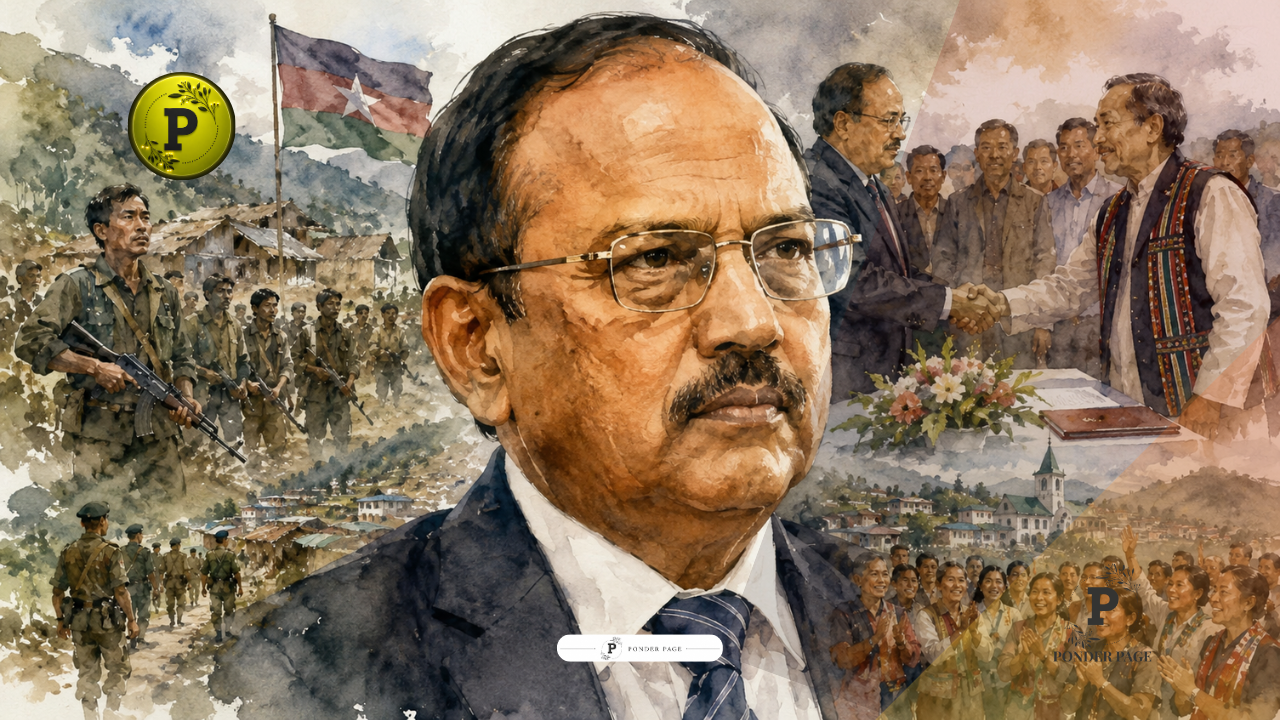
 How Ajit Doval Helped End the Mizoram Insurgency
 -
 Kohinoor Diamond History: The Diamond Taken by Treaty, Transformed by Empire, and Still Controversial Today
 -
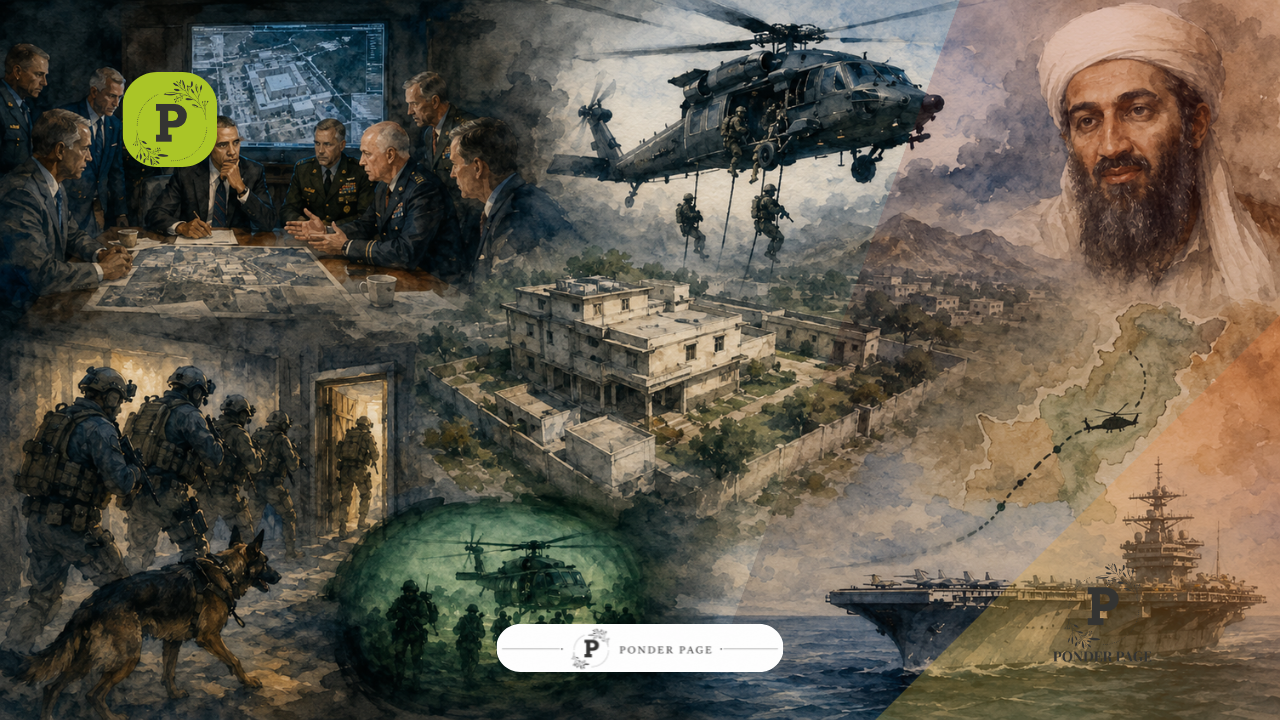
 Operation Neptune Spear: The Secret Mission That Changed the World
 -
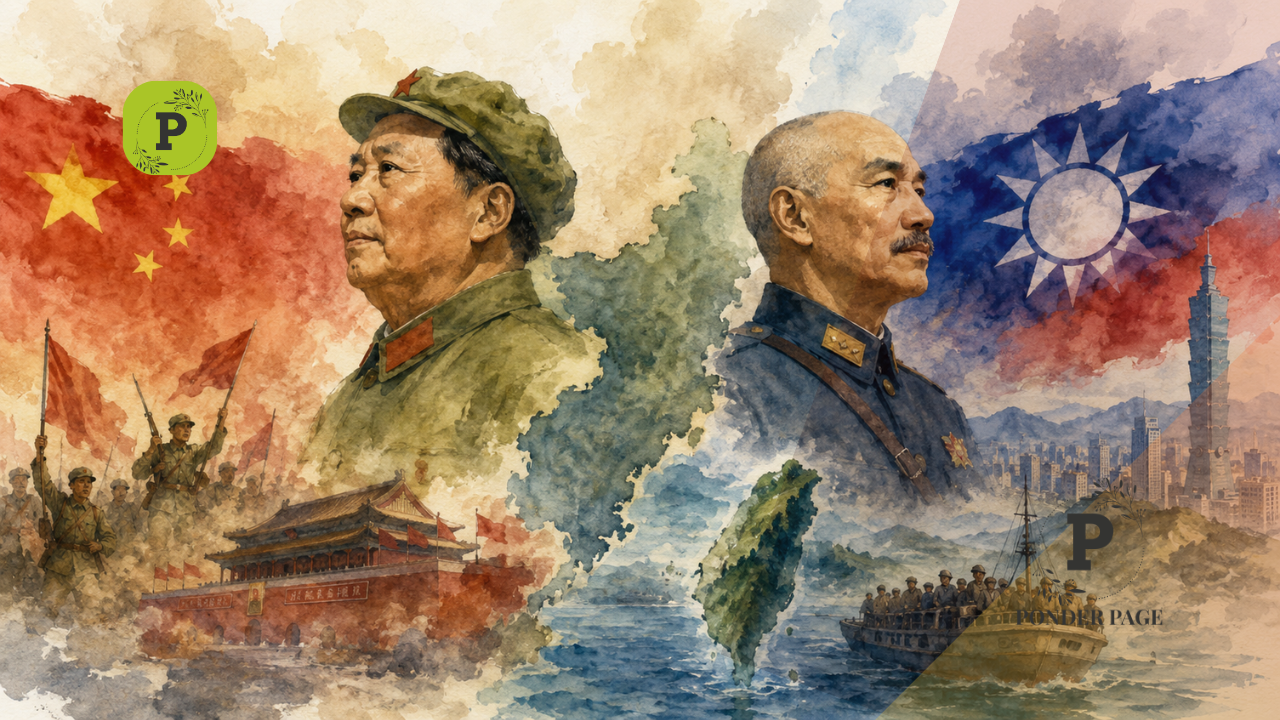
 Story Behind China and Taiwan: China vs Taiwan Explained
 -
 How India Integrated Junagadh and Hyderabad After Partition in 1947 | Operation Polo | Indian Independence Act of 1947 | Sardar Patel
The Name Decision and Its Fallout
The pivotal moment in the debate between Muhammad Ali Jinnah and Jawaharlal Nehru occurred with Lord Mountbatten’s invitation to an exhibition, addressing “Dominions of India and Pakistan.” This seemingly minor act held significant implications, as it symbolized the British acknowledgment of separate entities for India and Pakistan.
For Jinnah, who championed the cause of Pakistan’s distinct identity, this was a critical validation. However, the usage of “India” in the invitation deeply perturbed Jinnah, as it implied a continuation of the term for the entire subcontinent, undermining his efforts to establish Pakistan as a separate and equal dominion.
This incident intensified Jinnah’s resolve to safeguard Pakistan’s distinct status and fueled his suspicions about the Indian National Congress’s intentions. Thus, the invitation not only highlighted the evolving dynamics of post-colonial power struggles but also illuminated the deep-seated tensions and the complexities surrounding the partition of India.

Impact on Post-Partition Relations
Following independence, the naming decisions of India and Pakistan had profound implications for their international perception and internal identity formation. India chose to retain the historical name “India,” which had been used for centuries to denote the entire subcontinent. This choice highlighted continuity with the past and projected India as the inheritor of a rich civilizational heritage.
In contrast, Pakistan adopted a new name derived from “Pak” (meaning pure) and “Stan” (meaning land), emphasizing a distinct Muslim identity and a break from the pre-partition Indian identity. This decision reflected the aspirations of Pakistan’s leaders to create a separate nation based on religious and cultural differences from India.
These divergent naming strategies not only solidified separate national identities but also influenced how these nations were perceived internationally.
India’s choice of “India” portrayed it as a secular, pluralistic democracy inheriting a diverse cultural legacy.
Meanwhile, Pakistan’s adoption of “Pakistan” emphasized its Islamic identity and aspirations, impacting diplomatic relations and regional dynamics in South Asia, contributing to ongoing geopolitical complexities even decades after independence.

Constitutional Legacies
The finalization of names was formalized in the constitutions of both nations. On September 17, 1949, Dr. B.R. Ambedkar presented the final draft of the Indian Constitution, which officially declared the nation’s name as “India.” This constitutional moment solidified the historical decision made amidst the partition debates and negotiations. PP


History Behind The Name INDIA: Significance of the Name ‘INDIA’
The name “India” is significant because it carries rich historical, cultural, and geopolitical connotations. Originating from the River Indus, which was central to the early civilizations of the region, the name “India” encapsulates the ancient heritage and continuous civilization that dates back over 5,000 years. It signifies a land of immense diversity, with myriad languages, cultures, and religions coexisting. The name also represents the country’s pivotal role in global history, from the epic narratives of the Vedas and the Mahabharata to its prominence in ancient trade routes.
Furthermore, “India” symbolizes the nation’s identity and unity post-independence, reflecting its journey from colonial subjugation to a sovereign, democratic republic. Today, it stands as a marker of India’s growing influence in global economics, politics, and culture, resonating with its contributions to technology, arts, and international diplomacy. The name thus embodies both the ancient legacy and the modern aspirations of its people.
What are your thoughts on this? Let us know in the comments below.
If you enjoyed this blog post ‘History Behind The Name INDIA’, be sure to subscribe for more engaging content in the future! Stay updated on the latest developments and discussions by clicking the subscribe button above. Thank you for your support!



Leave a Reply