
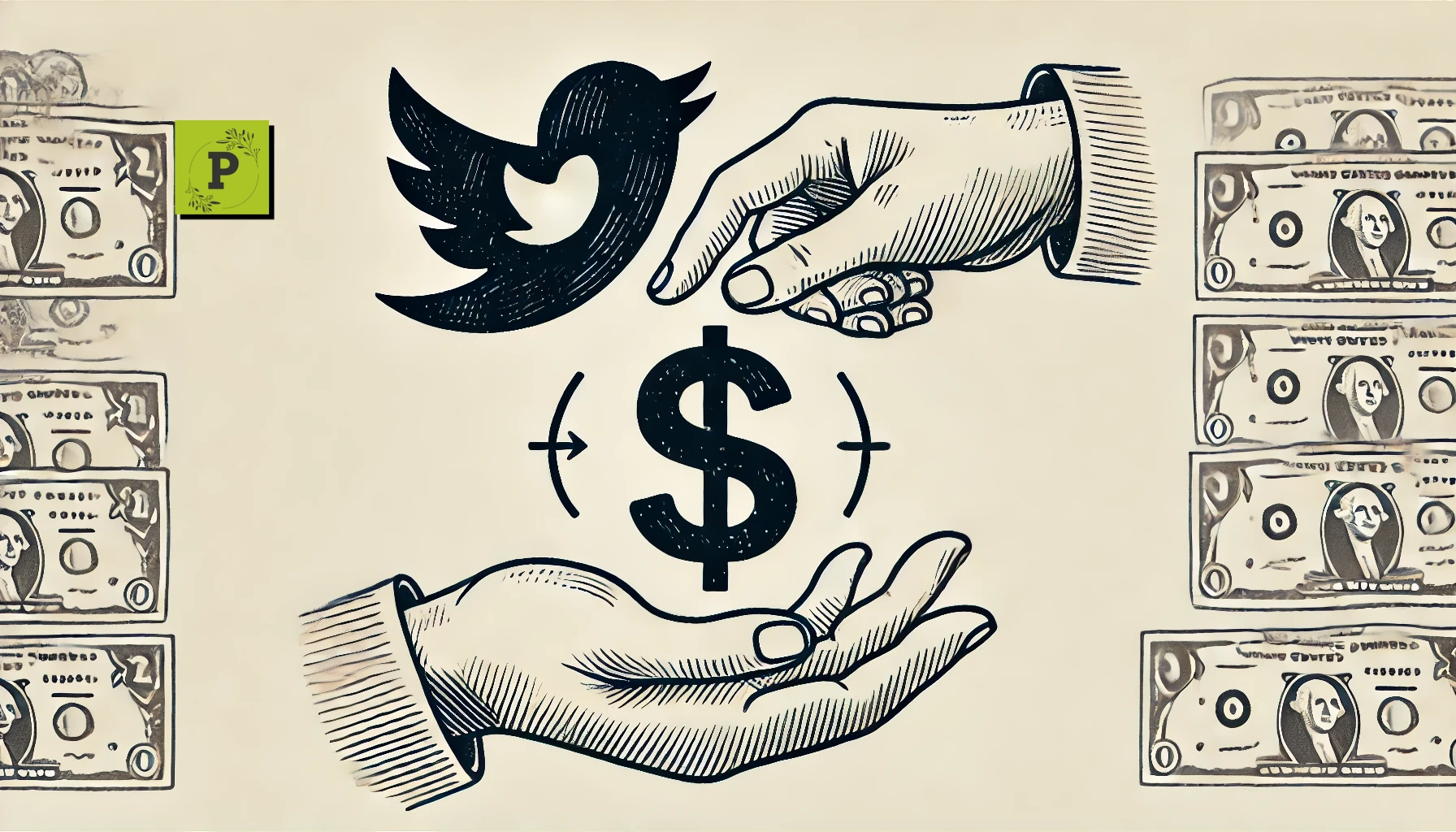
Elon Musk and Twitter: Twitter is not the largest social media platform in the world. Yet, it has attracted the attention of one of the wealthiest individuals on the planet, Elon Musk. So much so that he was willing to sell his Tesla stocks to acquire it. However, his attempt to take over Twitter faced resistance from various stakeholders, including the Twitter board, the then U.S. government, and even foreign investors such as the Prince of UAE.
Why was Elon Musk so interested in Twitter? What advantages did he see in owning this platform? Why is there such a strong opposition to his acquisition? Let’s delve deep into this.
(You can now subscribe to our Ponder Page WhatsApp channel)

Table of Contents
Why was Elon Musk Interested in Twitter?
For Elon Musk, Twitter is not just another social media platform. It is a powerful marketing tool where he can promote his various businesses, including Tesla and SpaceX, directly to his audience. Musk has over 218 million followers on Twitter (as on date of this post), and whenever he tweets about his companies, it generates massive engagement, sometimes exceeding 600 million interactions. To put that into perspective, that’s more than the population of many countries.
Unlike other billionaires who use social media sparingly, Musk actively engages with his audience, ensuring that Twitter remains lively and engaging. His influence extends beyond marketing—his tweets can impact the U.S. stock market significantly. Due to this, he is required to seek permission from the U.S. Securities and Exchange Commission (SEC) before making certain tweets. Musk has long sought to free himself from this restriction.
The Power of Elon Musk’s Influence
Musk’s tweets have been known to impact financial markets dramatically. Investors try to predict his moves based on his tweets, often leading to large fluctuations in stock and cryptocurrency prices. A few examples illustrate his immense influence:
- Dogecoin: Musk once tweeted that he was working with Dogecoin developers to improve transaction efficiency. This single tweet caused Dogecoin’s value to increase by 14%. Later, when he referred to it as a “hustle,” its price dropped by 35%.
- Bitcoin: Musk announced that Tesla would accept Bitcoin payments, causing its value to soar. Later, he cited environmental concerns and reversed this decision, leading to a 10% drop in Bitcoin’s value.
- Tesla Privatization (2018): Musk tweeted that he planned to take Tesla private at $420 per share. This led to a surge in Tesla’s stock price, but when the privatization did not materialize, it had significant market repercussions.
If someone has the ability to influence the market so effectively, they hold a major advantage. By buying and selling at the right times, Musk has demonstrated his ability to make enormous profits. This pattern also appears in his Twitter takeover attempt.
The Twitter Takeover Strategy
The Initial Stake Purchase
On March 14, 2022, Musk bought a 9.2% stake in Twitter for $3 billion, making him the largest shareholder. However, investment firm Vanguard later surpassed him by increasing its stake to 10.3%. Interestingly, Musk did not disclose his purchase within the mandatory 10-day period as required by the SEC. While this led to a fine of $100,000, the penalty was insignificant compared to the profits he made.
Musk strategically delayed the announcement and then tweeted about “free speech on Twitter” on March 25, causing speculation and a surge in Twitter’s stock price. This resulted in a profit of over $700 million for Musk in just one day. Even if the SEC had fined him a million dollars, it would have been inconsequential compared to his earnings.
Rejecting the Twitter Board Seat
After becoming Twitter’s largest shareholder, Musk was invited to join its board. However, he refused, surprising many. The reason? If he had joined, he would have been restricted to owning only 15% of Twitter shares. Instead, Musk wanted complete control of the platform.
The Hostile Takeover Attempt
Musk then made an offer to buy Twitter outright, proposing to acquire all shares at $54.20 per share and take the company private. This was above the market price, making it a lucrative deal for shareholders. However, the Twitter board opposed the move, fearing Musk’s real intentions.
To counter Musk’s bid, Twitter implemented a “poison pill” strategy. This tactic increases the number of available shares, making it significantly more expensive and difficult for any single entity to take over the company.
Resistance from Stakeholders
Musk’s bid to buy Twitter faced opposition from various parties:
- The Twitter Board: They feared that Musk’s erratic behavior and unrestricted control could harm the platform’s stability.
- The U.S. Government: Reports suggested that government officials were concerned that Musk would reinstate controversial figures like former President Donald Trump and allow viewpoints opposing government policies.
- Saudi Arabian Investors: A Saudi prince openly opposed Musk’s acquisition, leading Musk to question Saudi Arabia’s stance on free speech.
Musk’s Vision for Twitter
Musk has framed his bid as an effort to protect free speech. However, critics argue that his definition of free speech is selective. While he champions open discourse, he has also blocked accounts that criticize Tesla and has taken action against employees who spoke out against the company.
Musk initially believed that by acquiring a 9.2% stake, he could influence Twitter’s policies. When this didn’t happen, he aimed for complete ownership. His tweets mocking Twitter’s management, suggesting the conversion of Twitter headquarters into a homeless shelter, and proposing new platform features further fueled speculation.
What’s Next? Musk’s “Plan B”
Musk had also hinted at a “Plan B” if his Twitter acquisition bid failed. While he did not disclose details, some speculate that he could launch a new platform or continue increasing his stake until he gains majority control. Others believe he could also use legal means to push for shareholder voting, arguing that the board’s decisions were not in shareholders’ best interests.
However, finally Elon Musk bought Twitter for $44 billion in October 2022.


Elon Musk and Twitter: The Battle for Control
Elon Musk’s bid to acquire Twitter is more than just a financial investment—it is about influence, power, and control over one of the world’s most significant digital platforms. While he presents his acquisition as a fight for free speech, his past actions indicate a more strategic and self-serving motive.
What are your thoughts on this article? Let us know in the comments below. If you enjoyed this article, be sure to subscribe for more engaging content in the future! Stay updated on the latest developments and discussions by clicking the subscribe button above. Thank you for your support!
📢 Dive into the latest discussions on social & trending topics! 🌍💬 Subscribe to Ponder Page for thought-provoking articles and interviews that dissect current issues. Don’t miss out on insightful content—hit that like & subscribe button now!





Leave a Reply