
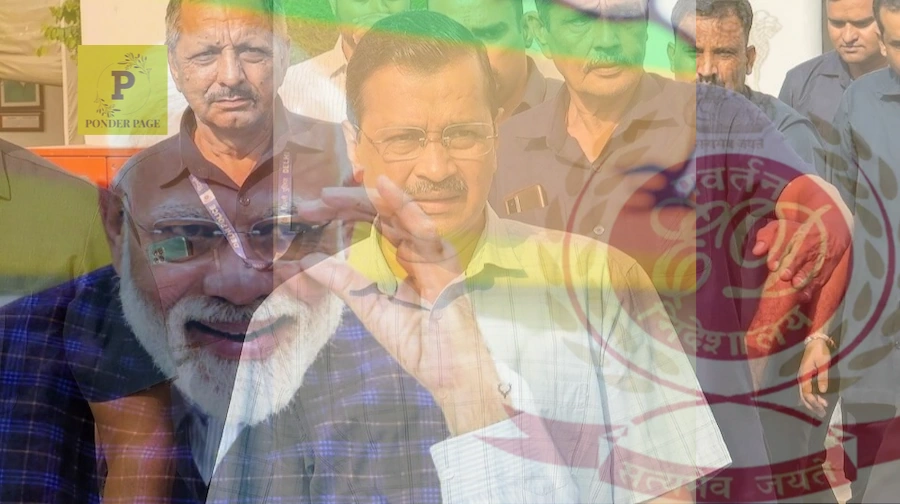
The Controversy Surrounding Delhi CM Arvind Kejriwal’s Arrest: In a dramatic turn of events, the arrest of prominent Indian politician Arvind Kejriwal has sent shockwaves throughout the nation. Kejriwal, known for his vocal activism and leadership in the Aam Aadmi Party (AAP), has long been a polarizing figure in Indian politics. His arrest has reignited debates on political vendettas, democratic principles, and the rule of law.
Table of Contents
The Arrest
The circumstances leading to Kejriwal’s arrest are shrouded in controversy. Supporters of the AAP claim that it is a politically motivated move orchestrated by rival parties to silence dissent. Critics, on the other hand, argue that the arrest is a necessary step in upholding the law and ensuring accountability.
His arrest has intensified the already heated political climate in India. As the leader of a major opposition party, Kejriwal’s incarceration has sparked protests and condemnation from his supporters.

Political Fallout
Kejriwal’s arrest comes at a critical juncture in Indian politics, with key elections looming on the horizon. The AAP, which has positioned itself as a champion of anti-corruption and good governance, now finds itself grappling with the fallout from its leader’s arrest.
For Kejriwal’s supporters, his arrest is seen as an attack on democracy itself. They argue that it sets a dangerous precedent whereby political opponents can be targeted and silenced through legal means. Many fear that the principles of free speech and dissent are under threat in India.

Conversely, Kejriwal’s detractors view his arrest as a victory for the rule of law. They argue that no one, regardless of their political affiliation, should be above scrutiny and accountability. They see Kejriwal’s arrest as a necessary step in combating corruption and restoring public trust in the political system.
The Way Forward
As the dust settles on Kejriwal’s arrest, the question remains: what does the future hold for Indian politics? Will this incident serve as a rallying cry for change, or will it further deepen the divisions within society?
Kejriwal’s arrest has glaringly highlighted the urgent necessity for an impartial judiciary, operating independently from political pressures. The arrest not only raises questions about the fairness of legal proceedings but also highlights the fragility of democratic institutions when subjected to external influence. Furthermore, it also highlights the importance of fostering a political environment where dissenting voices are respected and protected, rather than silenced through legal means.

In the forthcoming days and weeks, it is imperative for all stakeholders – politicians, activists, and citizens alike – to unite in preserving the integrity of India’s democratic institutions. This collective effort is crucial for safeguarding the principles of justice, equality, and freedom upon which the nation’s democracy is built. Politicians must prioritize public interest over personal agendas, activists should continue advocating for transparency and accountability, and citizens must actively engage in the democratic process to hold their representatives accountable. It is only through collaboration and commitment to democratic values that we can uphold the integrity of our nation’s institutions for generations to come.
Delhi CM Arvind Kejriwal’s Arrest and the Concluding Words
In conclusion, Kejriwal’s arrest serves as a stark reminder of the challenges confronting Indian democracy. It acts as a wake-up call for all who cherish the ideals of freedom, justice, and equality. However, the true measure of India’s democracy doesn’t lie solely in the arrest of one individual, but rather in how the nation collectively responds to this pivotal moment.
It’s a test of our commitment to upholding democratic principles, ensuring the rule of law, and protecting the rights of all citizens. How we go through this moment of reckoning will define the strength and resilience of our democratic institutions for years to come. It’s an opportunity for introspection, reform, and a reaffirmation of our collective dedication to a fair, transparent, and inclusive democracy.
Subscribe
If you enjoyed this blog post, be sure to subscribe for more engaging content in the future! Stay updated on the latest developments and discussions by clicking the subscribe button above. Thank you for your support!



Leave a Reply