

Criminalization in Indian Politics and its Complexities: At present, 40% of our parliamentarians have criminal charges, a concerning statistic that demands attention. Shockingly, 25% of these charges encompass heinous crimes such as murder, rape, and attempt to murder. This issue extends beyond the realm of MPs alone; even our MLAs are entangled in similar legal troubles. These aren’t mere allegations; these charges have been formally framed backed by police investigations, tangible evidence, and eyewitness testimonies.

Table of Contents
-
 Ceasefire Politics and Rise of Pakistan as a Global Mediator
 -
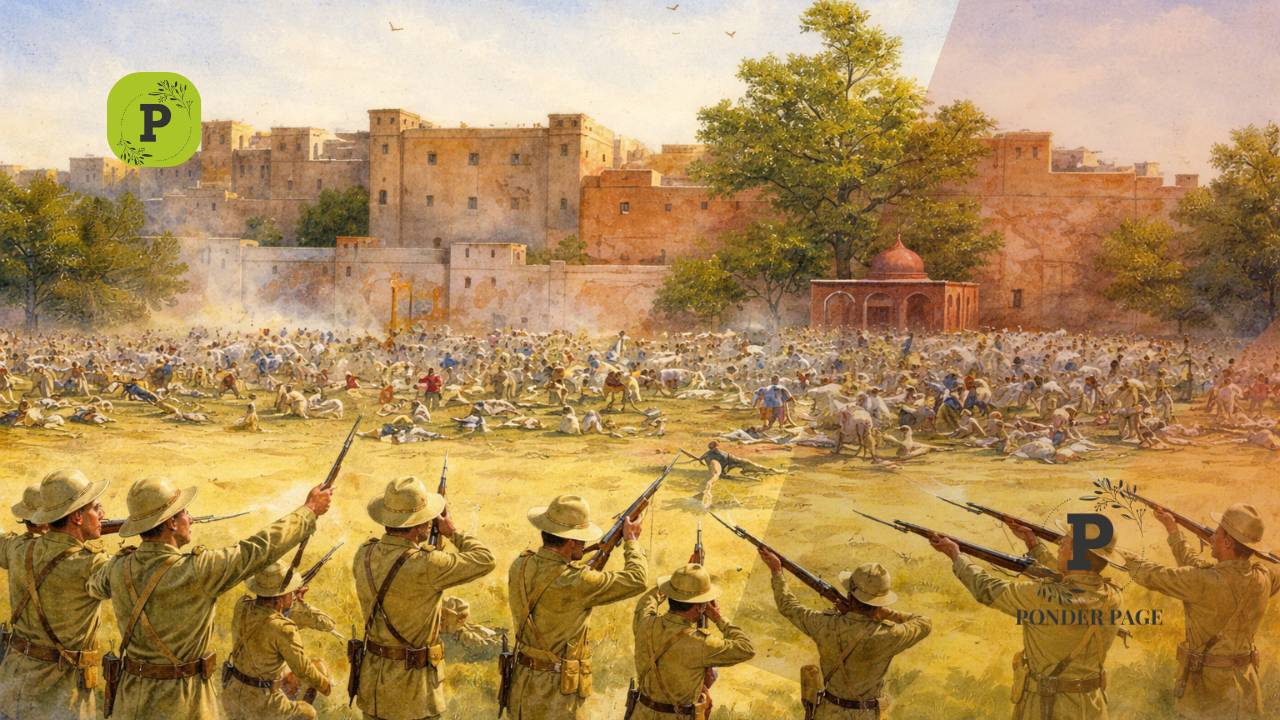
 From Protest to Turning Point: The Story of Jallianwala Bagh and Its Aftermath
 -
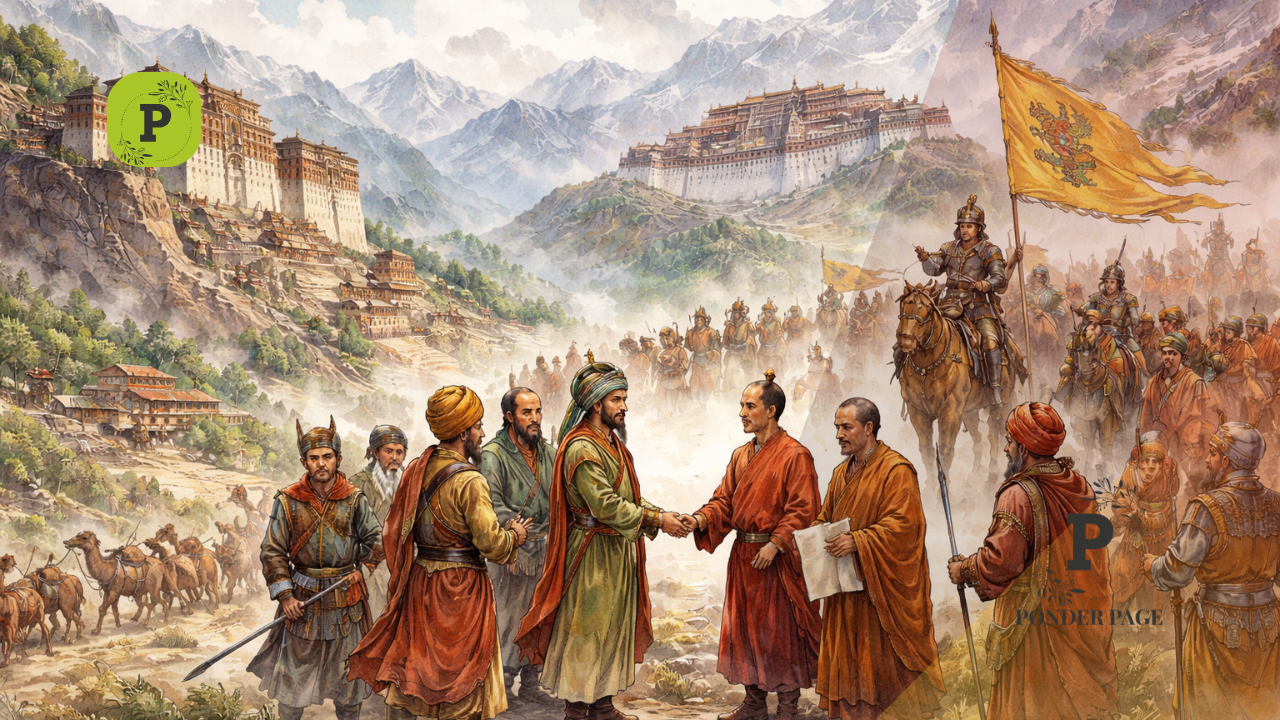
 The Roots of the India China Border in Ladakh
 -
 The Origins of the Indian National Congress: A Turning Point in Colonial India
 -
 The Evolution of Money: Life Before Currency
Legal Battles and Political Resilience: A Quest for Accountability
In 1999, the Association for Democratic Reforms, known as ADR, made a historic move by initiating a Public Interest Litigation (PIL) in the Delhi High Court to combat the pervasive issue of criminal entanglement in politics. The court’s acknowledgment of this PIL represented a watershed moment in tackling this pressing concern.
However, the reaction from political circles was swift and concerted. In an unprecedented turn, victorious leaders banded together and lodged an appeal with the Supreme Court against the PIL. Despite their concerted efforts, the Supreme Court dismissed their appeal, heralding a significant shift in the narrative.
Remarkably, this issue managed to transcend partisan lines, a rare occurrence in the realm of politics, showcasing the severity of the matter at hand.
Regrettably, progress faltered thereafter. Despite legal proceedings, the cherished principle of “innocent until proven guilty” within the framework of Indian law has often been exploited, enabling individuals to misuse their presumed innocence as a shield against accountability. Shockingly, while countless individuals languish in jails awaiting trial, enduring the arduous legal procedures, politicians seem to evade similar standards of accountability with alarming ease.

Political Elites, Electoral Spending , & Criminalization in Indian Politics
A recurring tale among political elites unfolds, where they don the cloak of saviors amidst a fractured system, pledging to champion the rights of the underprivileged while lining their own pockets. Their electoral playbook follows a straightforward script: pinpoint a demographic stronghold, forge alliances with the prevailing caste, and present themselves as contemporary Robin Hoods, poised to rectify the system’s deficiencies where it falters.
As per the Centre for Media Studies (CMS), the 2019 Lok Sabha elections witnessed an expenditure that soared beyond 50 thousand crores, catapulting India to the apex as the globe’s highest spender on elections, outstripping even the United States.
The staggering amounts funneled into electoral campaigns undeniably harbor expectations of significant returns on investment. Despite overt ideological disparities and public disagreements among political factions, they exhibit a striking unanimity in their reluctance towards embracing transparency in party funding. This concerted resistance vividly underscores their entrenched interest in preserving dominance over the intricate nexus of politics and finance.
Once ensconced in power, these political entities wield considerable sway over the system, evident in their ability to influence the transfers of police officers who dare to diverge from their agenda. The disproportionate allocation of police resources, with multitudes deployed to safeguard a relatively small number of political figures, raises pertinent questions about priorities and resource allocation.
Breaking Barriers: Youthful Aspirations and Dynastic Legacies in Indian Politics
Despite India’s youthful demographic bulge, the barriers to political entry remain formidable for the common citizen, with the average age of parliamentarians significantly surpassing the national average. This dearth of representation further underscores the entrenched power dynamics within Indian politics, effectively sidelining ordinary citizens from meaningful participation in governance.
A cursory Google search for “Top 10 young politicians” yields results invariably intertwined with political family legacies, emphasizing the entrenched nature of dynastic politics in India. Alarmingly, since independence, fewer than 0.5% of politicians have opted to enlist their children in the armed forces, signaling a profound disparity in priorities.
Nevertheless, amidst the labyrinth of systemic reform, citizens wield formidable power during elections. By steadfastly refusing to endorse candidates with criminal records, regardless of party affiliation or caste, citizens can send a potent message to political factions. Over time, this principled stance can dissuade parties from fielding such tainted candidates altogether.
Empowering the Electorate and De-Criminalization of Indian Politics
Encouragingly, if voters channeled even a fraction of the diligence they apply to purchasing a mobile phone into researching their electoral contenders, the presence of criminals in legislative bodies would diminish. By holding candidates accountable and advocating for governance reforms, citizens can effectively wield their electoral clout, relegating criminals to where they rightly belong: outside the hallowed halls of power.


If you enjoyed this blog post , be sure to subscribe for more engaging content in the future! Stay updated on the latest developments and discussions by clicking the subscribe button. Thank you for your support!



Leave a Reply