
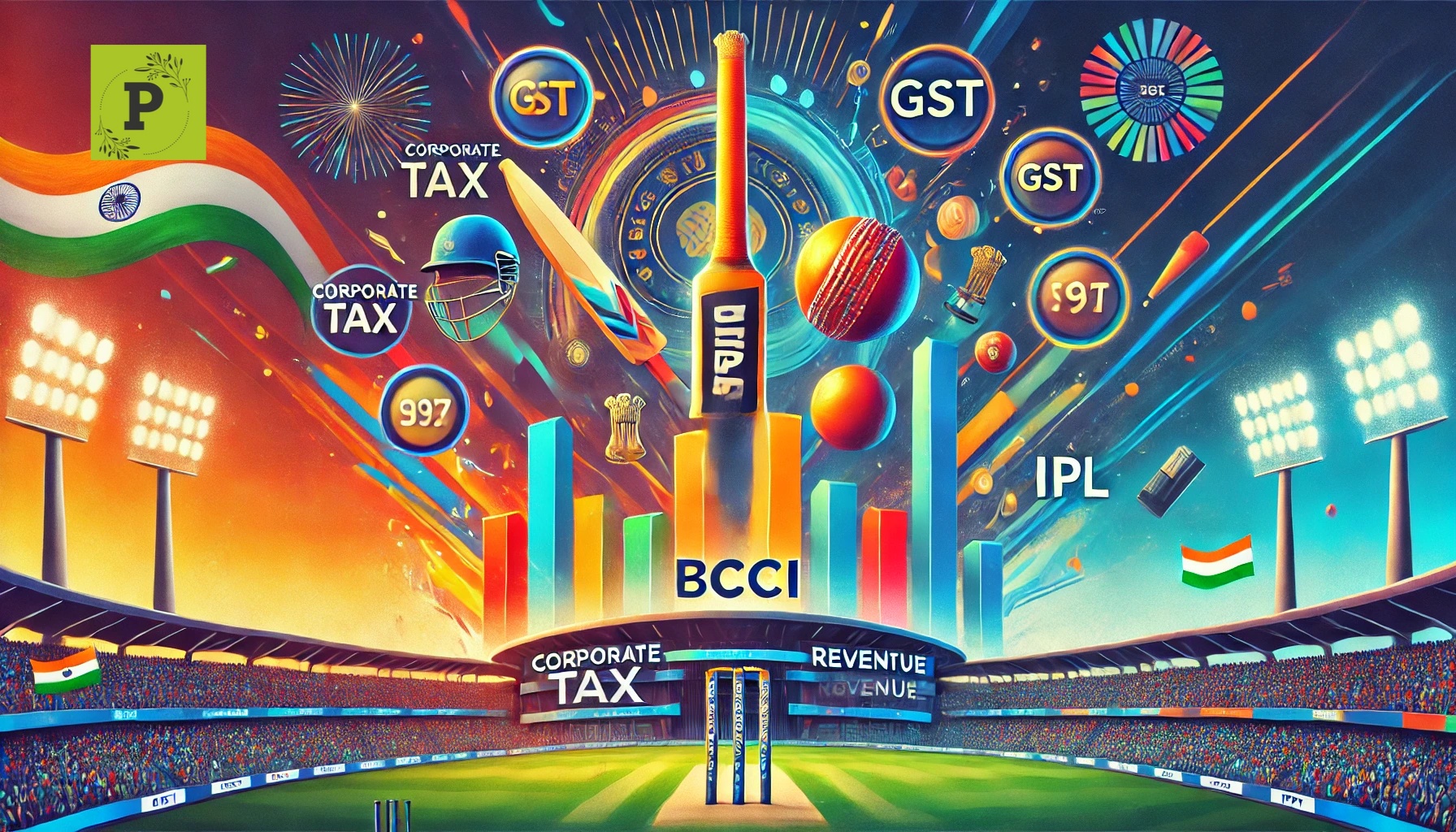
Understanding the Tax Contributions of BCCI: The Board of Control for Cricket in India (BCCI) is one of the wealthiest cricket boards in the world, managing a sport that is practically a religion in India. While cricket fans across the globe marvel at the BCCI’s financial prowess, many wonder about its contributions to the nation’s exchequer. How much tax does the BCCI actually pay? Let’s delve deeper to understand its tax structure and liabilities.
(You can now subscribe to our Ponder Page WhatsApp channel)

Table of Contents
The BCCI’s Financial Strength
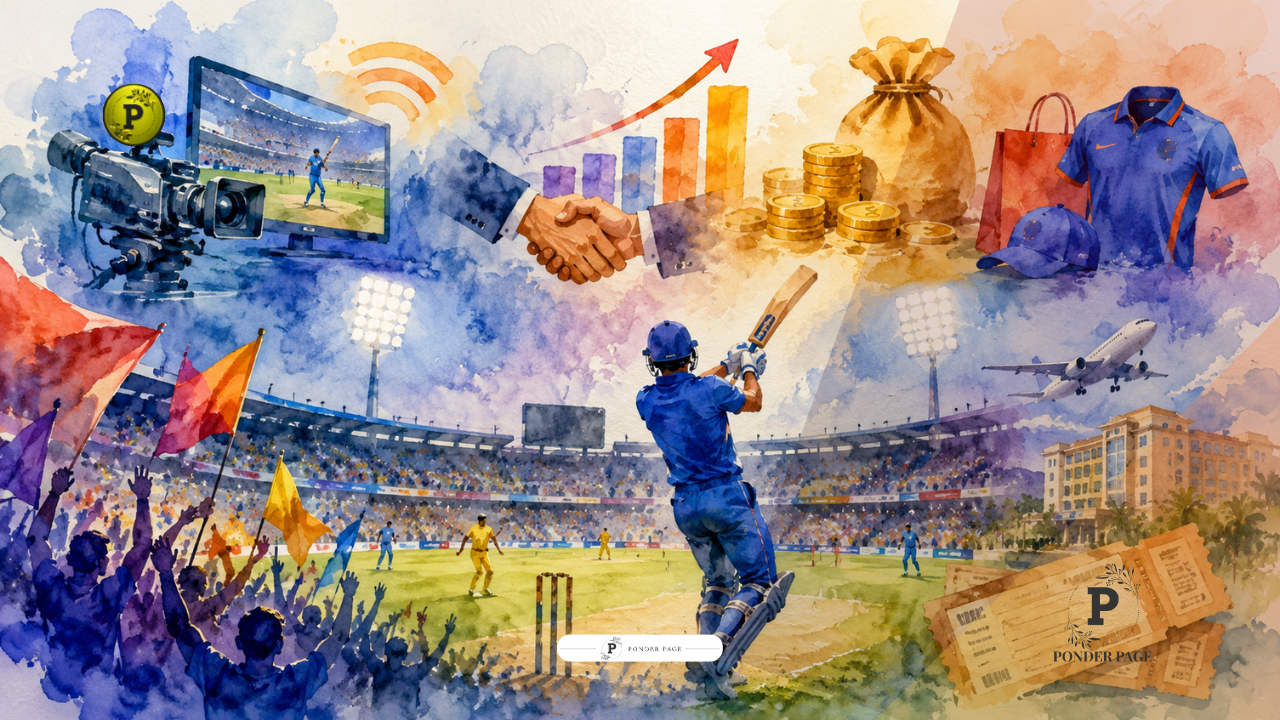
The BCCI’s immense wealth stems from multiple revenue streams, including broadcasting rights, sponsorship deals, ticket sales, merchandise, and the flagship Indian Premier League (IPL). The IPL alone has been a massive revenue generator, attracting global sponsors and television networks willing to pay billions for broadcasting rights.
For instance, the broadcasting rights for the IPL for the 2023-2027 cycle fetched a staggering Rs. 48,390 crore, reflecting the league’s global appeal and the board’s financial muscle. With such colossal earnings, it’s no surprise that the BCCI is under scrutiny when it comes to its tax obligations.

Tax Exemptions and Historical Context
For years, the BCCI enjoyed tax exemptions due to its classification as a “charitable organization” under Section 12A of the Income Tax Act, 1961. This classification was based on the premise that promoting cricket in India served a “charitable purpose” of advancing general public utility.
However, this exemption came under question as the BCCI’s activities expanded beyond mere cricket promotion to becoming a commercial powerhouse. Critics argued that the board’s profit-driven initiatives, such as the IPL, deviated from the traditional notion of charity. As a result, the Income Tax Department withdrew the BCCI’s tax exemption for certain revenue streams, leading to increased tax scrutiny.
Current Tax Liabilities
The BCCI’s tax contributions have significantly increased over the years due to the revocation of its exemptions. Reports indicate that the board paid a whopping Rs. 1,159 crore in taxes for the financial year 2020-21. This amount primarily came from taxes on income generated through broadcasting rights, sponsorship deals, and other commercial activities.
Corporate Tax
The BCCI is taxed as a “corporate entity” for its income derived from commercial activities. The corporate tax rate in India is around 25% for domestic companies with a turnover of up to Rs. 400 crore, and approximately 30% for larger corporations. Given the BCCI’s massive revenues, it falls into the higher tax bracket.
Goods and Services Tax (GST)
The introduction of the Goods and Services Tax (GST) in 2017 added another layer of tax obligations for the BCCI. The board pays GST on ticket sales, sponsorship deals, and broadcasting contracts. For instance, the sale of IPL tickets attracts an 18% GST, contributing significantly to the government’s revenue.
TDS Obligations
The BCCI also deducts Tax Deducted at Source (TDS) on payments made to players, coaches, and other stakeholders. This ensures that individuals and entities associated with the board’s operations fulfill their tax obligations.

The IPL Factor
The IPL has been a game-changer for the BCCI’s finances but also its tax liabilities. Each IPL franchise operates as a separate business entity, and the revenue-sharing model between the franchises and the BCCI leads to complex tax calculations. The board’s earnings from the IPL—including broadcasting rights, title sponsorships, and ticket sales—are subject to both direct and indirect taxes.
For example, the title sponsorship of the IPL, which saw deals with brands like TATA, contributes significantly to the BCCI’s income. Similarly, the sale of broadcasting rights to companies like Disney Star and Viacom18 generates billions, all of which are taxable under Indian law.
Controversies and Legal Battles
The BCCI’s tax obligations have not been without controversy. The board has faced scrutiny over whether it declares its full income and whether its claim to certain exemptions is justified. Over the years, disputes between the BCCI and the Income Tax Department have resulted in litigation, with the courts often stepping in to resolve the matters.
For instance, the tax department has challenged the board’s claims that certain activities—like organizing matches or selling broadcasting rights—fall under the category of “promoting cricket” and thus qualify for exemptions.
Transparency and Accountability
Given the BCCI’s significant role in Indian cricket and its financial dominance, there is growing demand for greater transparency in its financial dealings. Many stakeholders believe that the board should not only comply with its tax obligations but also set an example in financial accountability.


Understanding the Tax Contributions of BCCI and its Immense Financial Power
The BCCI’s tax contributions are a reflection of its immense financial power and the critical role it plays in India’s economy. While the board has moved away from its historical tax-exempt status, it continues to sail through complex tax regulations. Its annual contributions to the national exchequer—in the form of corporate tax, GST, and TDS—highlight its importance as a significant taxpayer in the country.
As the BCCI continues to grow, its tax obligations will undoubtedly increase, making it an even more crucial contributor to India’s fiscal health. However, with great power comes great responsibility, and the onus is on the BCCI to ensure that it not only adheres to tax laws but also upholds the principles of transparency and accountability.
What are your thoughts on this article? Let us know in the comments below.
If you enjoyed this article, be sure to subscribe for more engaging content in the future! Stay updated on the latest developments and discussions by clicking the subscribe button above. Thank you for your support!
📢 Dive into the latest discussions on social & trending topics! 🌍💬 Subscribe to Ponder Page for thought-provoking articles and interviews that dissect current issues. Don’t miss out on insightful content—hit that like & subscribe button now!




Leave a Reply