
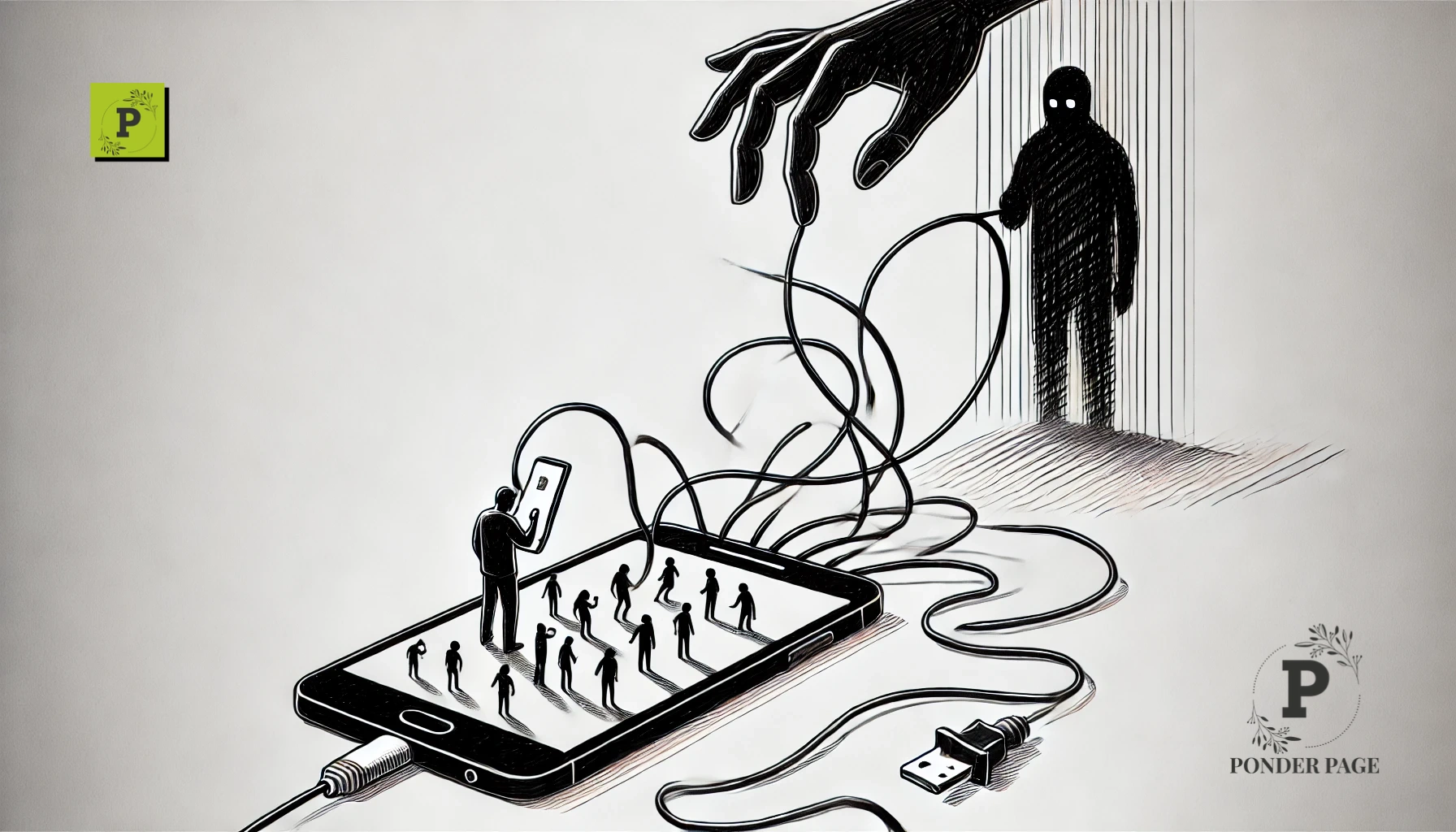
How Social Media Became So Dangerous Gradually: Social media was initially designed as a platform for connecting people, sharing experiences, and fostering global interactions. However, over time, it has evolved into a space filled with misinformation, cyber threats, mental health concerns, and social manipulation. The gradual transformation of social media into a dangerous landscape didn’t happen overnight. It was a slow but steady process influenced by technological advancements, corporate greed, and human behavior.
(You can now subscribe to our Ponder Page WhatsApp channel)

Table of Contents
The Early Days: A Tool for Connection
When platforms like Facebook, Twitter, and Instagram emerged, their primary goal was to bring people together. Social networking sites allowed users to reconnect with old friends, share life updates, and express their thoughts freely. This was a period of optimism, where the internet was viewed as a revolutionary tool for communication and community building. However, as these platforms grew in popularity, they also became highly profitable business ventures, leading to an increased focus on engagement and revenue rather than user well-being.
The Rise of Algorithmic Manipulation
Social media platforms quickly realized that user engagement was key to their success. To keep people scrolling, companies introduced sophisticated algorithms designed to show content tailored to individual preferences. While this initially enhanced user experience, it also created “filter bubbles,” where people were only exposed to information that reinforced their beliefs. This not only deepened societal divisions but also paved the way for the spread of misinformation, extremist content, and echo chambers.
The Spread of Misinformation and Fake News
One of the biggest threats that emerged from social media was the rapid spread of misinformation. False news stories, conspiracy theories, and misleading narratives gained traction due to the viral nature of these platforms. Unlike traditional media, which undergoes rigorous fact-checking, social media allowed anyone to post anything without verification. This made it easy for misleading content to reach millions, influencing public perception, politics, and even global events.

Cyberbullying and Online Harassment
As social media became a dominant form of communication, it also became a breeding ground for cyberbullying and online harassment. The anonymity provided by these platforms emboldened users to engage in abusive behavior without facing real-world consequences. Victims of cyberbullying often suffer from anxiety, depression, and, in severe cases, suicidal thoughts. The lack of stringent regulations and slow response from social media companies further exacerbated the issue.
Mental Health Concerns and Social Comparison
Social media has been linked to a significant rise in mental health issues, especially among younger users. The curated nature of online content fosters unrealistic beauty standards, lifestyle expectations, and material aspirations. Continuous exposure to such content leads to unhealthy comparisons, self-esteem issues, and an increased risk of depression. The “like” culture and validation-seeking behavior also contribute to anxiety and a sense of inadequacy.

Privacy Breaches and Data Exploitation
As social media companies expanded their reach, they also became notorious for privacy violations and data exploitation. Users’ personal information, browsing habits, and even private conversations were collected and monetized without their explicit consent. High-profile data breaches, such as the Cambridge Analytica scandal, revealed how social media was being used to manipulate elections, influence consumer behavior, and invade personal privacy. The lack of stringent data protection laws only made users more vulnerable to exploitation.
The Weaponization of Social Media
Governments, corporations, and malicious actors have increasingly weaponized social media for their own agendas. Political propaganda, state-sponsored disinformation campaigns, and psychological warfare are now commonplace. Social media has been used to incite violence, spread divisive narratives, and manipulate public sentiment on a global scale. The ability to control public opinion through these platforms has turned them into powerful tools for both positive and harmful agendas.
Addiction and the Dopamine Effect
The design of social media is rooted in psychological manipulation. Features like infinite scrolling, notifications, and rewards (such as likes and shares) trigger dopamine releases in the brain, making these platforms highly addictive. The addiction to social media leads to decreased productivity, social isolation, and an inability to focus on real-life interactions. The more time users spend on these platforms, the more advertising revenue companies generate, reinforcing the cycle of digital dependency.
The Lack of Regulation and Accountability
Despite growing awareness of social media’s dangers, regulation has been slow and ineffective. Governments struggle to implement policies that hold tech giants accountable for harmful content, misinformation, and privacy breaches. The reluctance of social media companies to self-regulate further contributes to the problem, as profit-driven motives outweigh ethical considerations.


How Social Media Became So Dangerous Gradually: Can Social Media Be Fixed?
While social media has undeniably become a dangerous space, it is not beyond repair. Stricter regulations, better content moderation, increased digital literacy, and ethical business practices can help mitigate its risks. Users must also take responsibility for their online presence by fact-checking information, being mindful of their digital footprint, and using social media in a balanced manner. The future of social media depends on collective efforts from policymakers, tech companies, and users to create a safer, more responsible digital environment.
The gradual transformation of social media into a dangerous tool serves as a reminder that unchecked technological advancements can have far-reaching consequences. As society becomes more aware of these dangers, it is crucial to take proactive steps to ensure that social media remains a force for good rather than harm.
What are your thoughts on this article? Let us know in the comments below. If you enjoyed this article, be sure to subscribe for more engaging content in the future! Stay updated on the latest developments and discussions by clicking the subscribe button above. Thank you for your support!
📢 Dive into the latest discussions on social & trending topics! 🌍💬 Subscribe to Ponder Page for thought-provoking articles and interviews that dissect current issues. Don’t miss out on insightful content—hit that like & subscribe button now!




Leave a Reply